
SUSTAINABLE
PALM OIL
You can make your pantry more wildlife friendly
BE SWEET TO ANIMALS
Use this Treat Shopping Guide
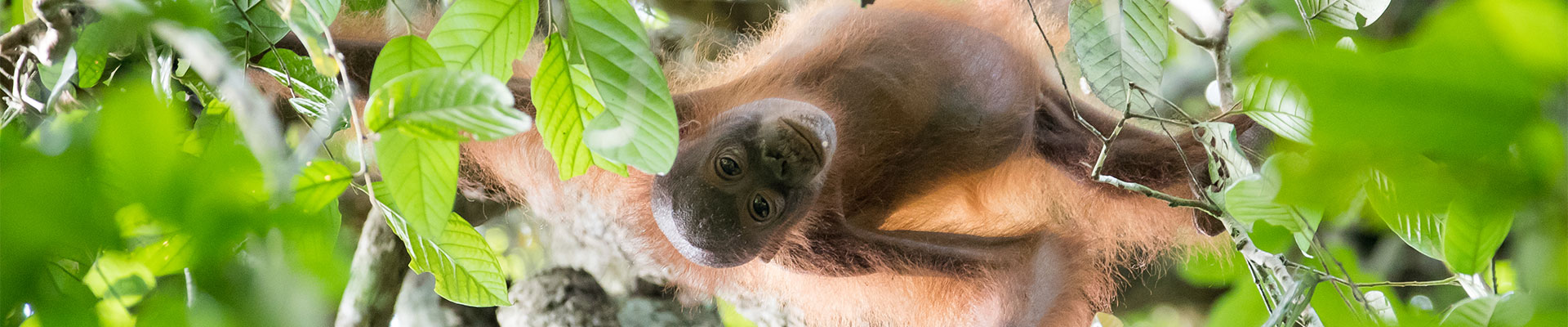
Orangutans, tigers, gorillas, and other wildlife and their forests are threatened by non-sustainable palm oil production in Indonesia, Malaysia, Africa and South America. When selecting sweet treats for Halloween, Easter, Valentine’s Day, or, you know, Wednesday night after a long day at work, you can use your shopping habits to send a message that consumers support sustainable palm oil.
Here’s How
The companies listed below are members of the Roundtable on Sustainable Palm Oil and are committed to using certified, sustainable palm oil. Listed with each company are some well-known examples of products they make. Please shop from companies that are actively working to make a difference for wildlife.
CANDY LIST
Ferrero
100 Grand, Baby Ruth, Bottle Caps, Brach’s, Butterfinger, Crunch Bar, Laffy Taffy, Nerds, Smarties, Sweet Tarts, Wonka
Godiva*
All flavors and products
Haribo
Haribo candies
The Hershey Company
Almond Joy, Heath Bar, Jolly Rancher, Kit Kat, Milk Duds, Mounds, Mr. Goodbar, Reese’s, Twizzlers, Whoppers, York
Hormel Foods
Justin’s Peanut Butter Cups, Justin’s Snack Packs
Lindt & Sprüngli
Ghirardelli, Lindor, Lindt, Russell Stover, Whitman’s
Mars
3 Musketeers, Dove, Life Savers, M&Ms, Milky Way, Skittles, Snickers, Starburst, Twix
Mondelez/Nabisco
Cadbury, Chips Ahoy, Nutter Butter, Oreo, Sour Patch Kids, Swedish Fish, Toblerone
Perfetti Van Melle
Airheads, Chupa Cups
*Company is a member of the Roundtable on Sustainable Palm Oil but has taken only the minimum steps toward sourcing wildlife-friendly palm oil.
Don’t see your favorite sweet treat?
Send a letter to the manufacturing company and ask them to join the Roundtable on Sustainable Palm Oil. Together we can show there is vocal consumer demand for certified, sustainable palm oil.
Download the app
Do a little more each day
Changing habits takes practice. Start the switch to sustainable palm oil by using the candy guide to satisfy your sweet tooth. Then download the PalmOil Scan mobile app to easily scan barcodes while you shop and expand your wildlife-friendly habits to your lunchbox, your kitchen pantry, your bathroom cabinets and beyond.


Created by World Association of Zoos and Aquariums with Cheyenne Mountain Zoo
WHAT IS PALM OIL?
It’s in your chocolate. Your ice cream. Your detergent. Even your pet’s food. Palm oil is an edible vegetable oil consumed all over the world, appearing in nearly 50% of household products in the United States. But its booming growth has come at the expense of the tropical forests that orangutans, tigers and elephants call home.
As human populations grow, our demand for vegetable oil is expected to nearly double in 30 years. We’re moving into cities and away from lifestyles that traditionally use animal fats. Yet alternatives to palm oil such as soybean, corn and rapeseed can take up to nine times as much land. Highly efficient, versatile and relatively healthy, palm oil is here to stay, but we must demand better of its production and consumption to be sustainable.
Roundtable on Sustainable Palm Oil
Woodland Park Zoo is a voting member of the Roundtable on Sustainable Palm Oil, a non-profit focused on transforming markets to make sustainable palm oil the norm. RSPO unites stakeholders from the seven sectors of the palm oil industry: oil palm producers, processors or traders, consumer goods manufacturers, retailers, banks/investors, and environmental and social non-governmental organizations (NGOs), to develop and implement global standards for sustainable palm oil.
FOREST PROTECTORS
Woodland Park Zoo partners with organizations around the world to restore and protect forests for orangutans, tigers and other wildlife impacted by the palm oil industry.
Hutan Orangutan Conservation
A Woodland Park Zoo Conservation Partner
Dedicated to the forests and wildlife of Malaysian Borneo, HUTAN employs members of the Kinabatangan community to study, protect and advocate for elephants, orangutans, hornbills and other wildlife.
Gunung Palung Conservation
A Woodland Park Zoo Conservation Partner
Gunung Palung Orangutan Conservation Program, based in Indonesian Borneo, saves orangutans and their forests by working with local communities to protect land, reduce conflict and illegal pet trade, and educate youth.
Malayan Tiger Project
A Woodland Park Zoo Conservation Partner
Woodland Park Zoo and Panthera have joined with on-the-grounds groups to study and protect critical tiger corridors in Peninsular Malaysia, expanding anti-poaching patrols in wildlife trafficking hotspots.