


Brown Bear
Ursus arctos

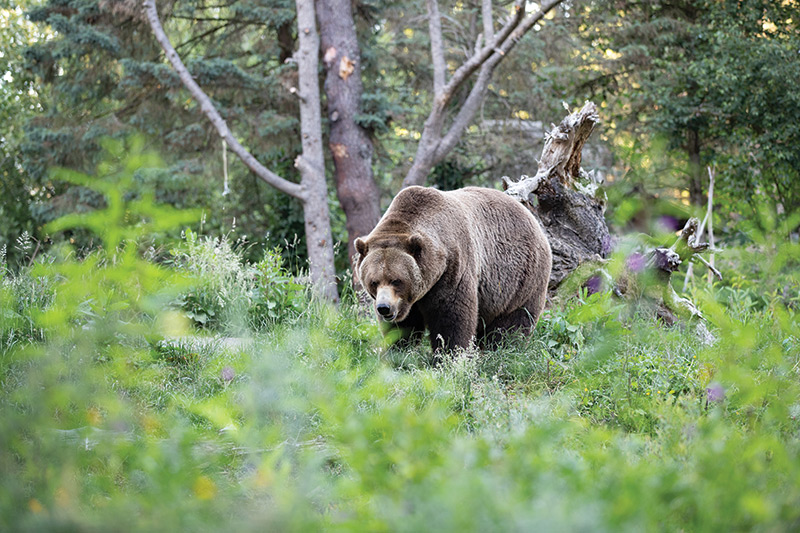
Coastal brown bears and inland grizzlies
North American brown bears, while often called different names, all belong to the same species, Ursus arctos. Coastal populations that rely primarily on salmon and other fish are referred to as coastal brown, whereas inland populations are commonly known as grizzly.
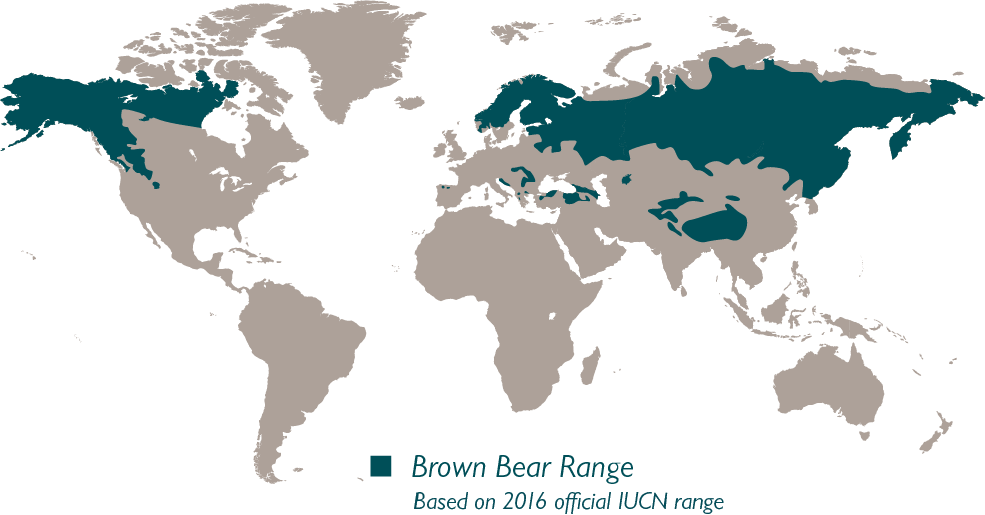
Brown Bear Range
Based on 2016 official IUCN range
Washington’s wild legacy
Washington state was once home to thousands of grizzly bears—today, only a few remain due to habitat loss and fragmentation. Woodland Park Zoo is helping with efforts to recover grizzlies in the remote North Cascades.
Could grizzly bears make a comeback?
Woodland Park Zoo is a member of Friends of the North Cascades Grizzly Bear coalition. What grizzlies need to thrive is the same as what many other species need—healthy wild spaces with clean water and plenty of plants and wildlife for food. We are working with communities and scientists to support the recovery of the North Cascades Ecosystem grizzly bear population.
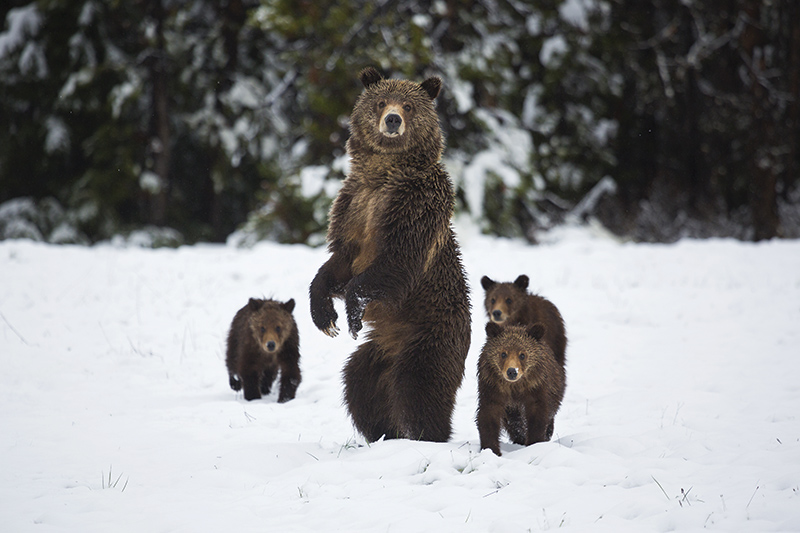
Diet: Brown bears are omnivores and can eat a of variety foods, including fish, insects, berries, fruits, tubers, roots, meat and carrion.
Range: Brown bears live in forests and shrublands across North America, Europe and Asia. The grizzly bear, a brown bear subspecies, can be found in the alpine tundra and high mountain forests of North America.
Global conservation status: Least Concern
Status in Washington state: Endangered
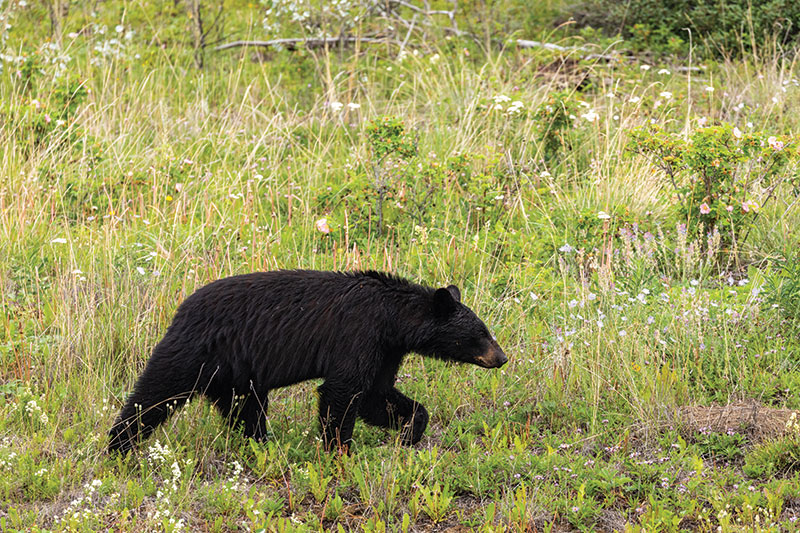
COMPARING BEARS
Brown bears, like the ones you see here, are rarely found in our state these days. Black bears, a smaller species, are much more common in our area.
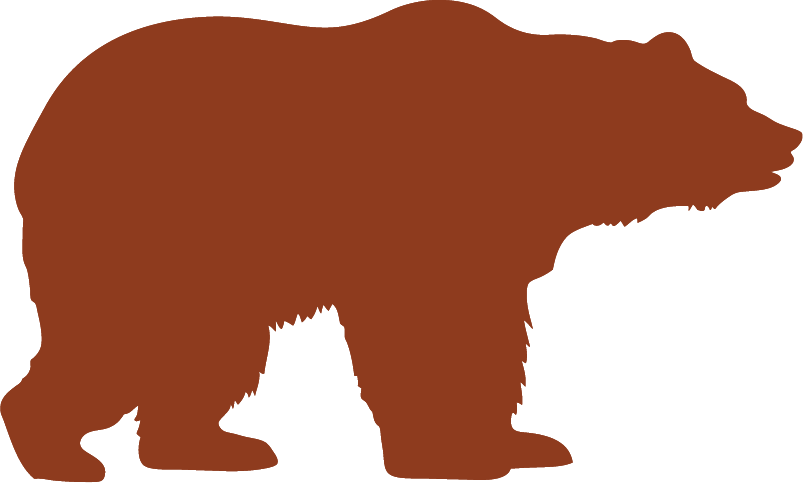
Brown Bear
You can recognize brown bears by their:
- Shorter ears
- Long, pale claws
- Curved line between forehead and nose
- Shoulders, which have a tall hump
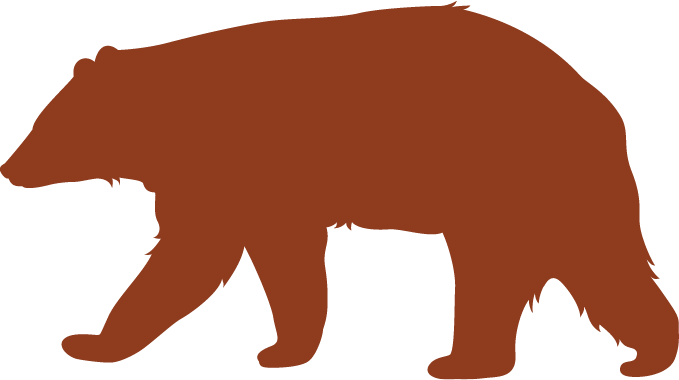
Black Bear
You can recognize black bears by their:
- Longer ears
- Short, dark claws
- Straight line from forehead to nose
- Rump, which is higher than their shoulders
Bumping into bears
As our population grows and our cities expand, black bears and people come into contact more often. Sometimes conflicts happen— especially when food is involved. Living in the Northwest means we need to make good choices that keep both people and bears safe.
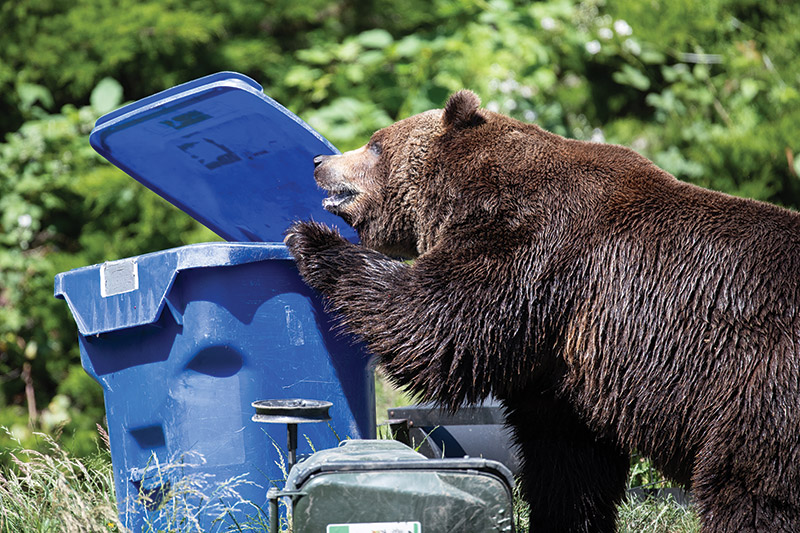
Coexisting tips
- Feed your pets indoors to avoid attracting wildlife
- Clean up your barbecue—don’t leave food scraps or grease behind
- Don’t put trash cans out on the curb until collection day
- Don’t let fallen fruit pile up in your yard
These simple steps can help prevent conflicts with bears, coyotes, raccoons and other animals. Living in the Northwest means learning to be good neighbors with wildlife!
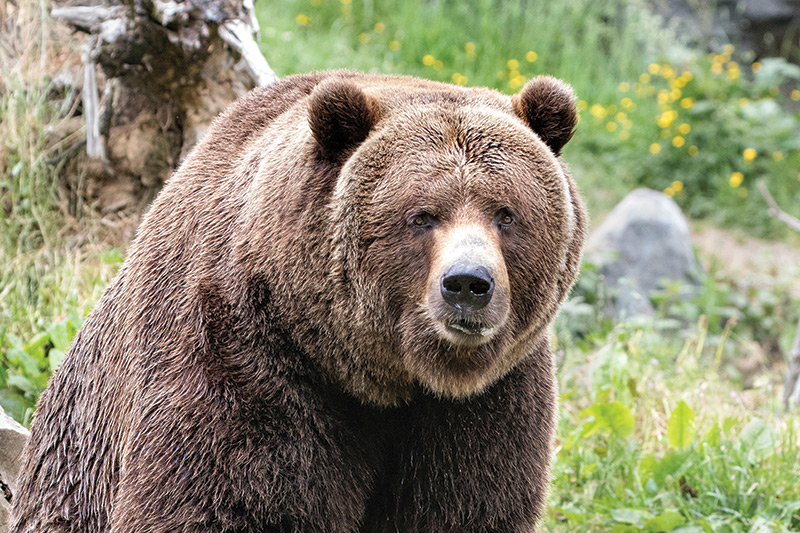
Caring For Bears
Beyond the “bear necessities”
Bears need food, shelter, space–and fun.
Our brown bears live in a complex and interesting space! Permanent features like their stream and pool are supplemented with rotating special snacks, including whole salmon, interesting scents and even an occasional truckload of snow. We carefully observe and monitor how our bears use their large outdoor yard. Tracking activity and behaviors gives us useful data about their health and comfort.
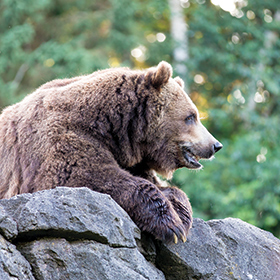
On clear days, bears enjoy sunbathing on warm rocks. (Don’t you?)
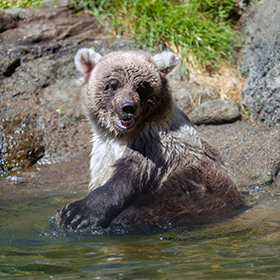
The stream and pool are great places for bears to drink, play and fish.
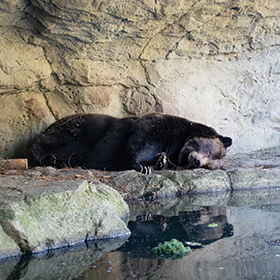
Bears slow down as the days get shorter and cooler in winter. They relish long naps in their cave.
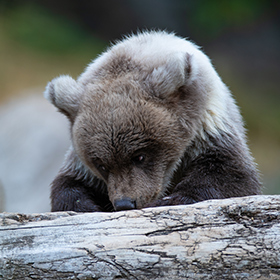
Bears have an amazing sense of smell. Providing seasonal surprises like berries and unique scents keeps them curious and engaged.
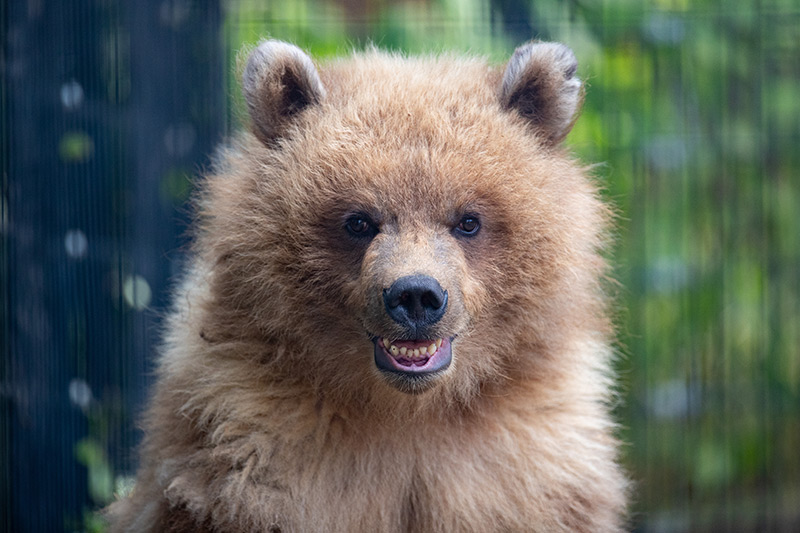
Another chance at survival! Stepping up to save a cub and recover a population
Brown bear cubs stay with their mother for two to three years while learning important survival skills. Because they rely on her for food and protection, if orphaned, young cubs are at risk—unable to survive alone in the wild.
At Woodland Park Zoo, a rescued cub gets a second chance at survival, in an environment where they will thrive. While cubs lack the survival skills needed to return to the wild, they are ambassadors for a population in need of our help.