


Say HELLO to pollinators and join the movement to save these tiny and important animals.
Hello Pollinators!
Your guide to a healthy garden
Use healthy gardening practices to control pests and attract more pollinators to your home or community garden.
Control pests naturally with smart gardening practices. Smart gardening practices can keep plants healthy and able to resist and recover from pest damage.
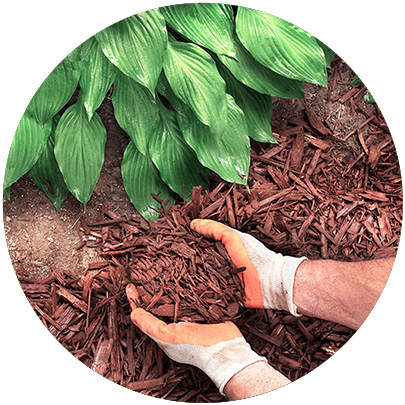
- Build healthy soil with compost and proper mulching. Before adding fertilizer, get a soil test through your local agricultural extension or conservation district.
- Water more deeply and less frequently to promote root health. Water in the morning to avoid evaporation from the sun.
- Attract beneficial insects by planting flowers that provide nectar, pollen and shelter.
Find the Right Plant for the Right Place
- With minimal work, you can grow healthier, low-pest plants by choosing varieties best-suited for their location.
- Evaluate your spring and summer climate. Long and hot, or mild and cool at night? Summer rains or drought-like conditions?
- Identify naturally-growing plants where you live. Native plants will always perform best in your garden. Ask your local nursery for tips on non-native plants that grow well at home.
- Divide your garden into zones. Clustering plants that grow in similar conditions allows you to manage large areas more easily.
Make Your Space a Welcoming Place for Pollinators
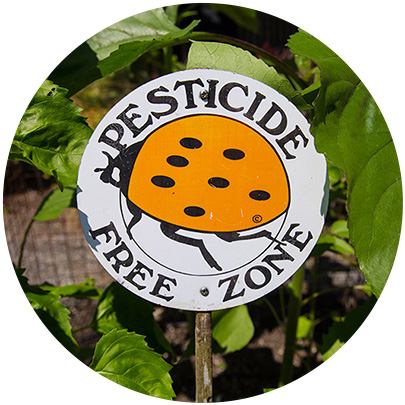
Shopping for Soaps
Learn how soaps and oils can be used in place of toxic pesticides. Download our pollinator-friendly shopping list. (Hint: Look for the OMRI label on products.)
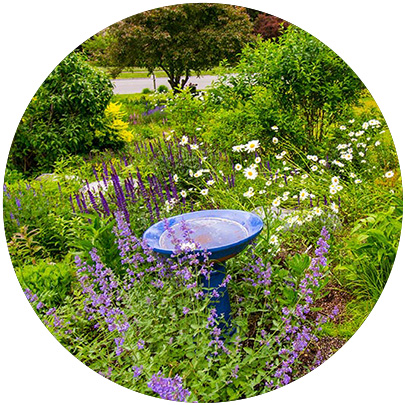
Pollinator Toolkit
Learn about soil health, choosing native plants and finding the right place for the right plant—our toolkit can help!
Bee Informed
As of January 1, 2026, neonicotinoids, a class of pesticides known to harm pollinators, are no longer allowed for use by home gardeners on outdoor ornamental plants in Washington state. Visit WSDA’s webpage to learn more!
Are Your Plants Still Pestered by Pests?
Consult an expert!
Determine if it’s really a pest issue or if there is another reason why your plant isn’t thriving. Reach out to your county’s WSU Master Gardeners chapter or other local plant experts for advice.
Consider your options
Can you put this plant in another place? Are there other ways of protecting your plant from pests?
Pest Control
If pest control is recommended, then you may need to contact a licensed pesticide applicator for help.
If you are applying a store-bought pesticide yourself, here are some tips:
- Always read the label
- Avoid application when pollinators are present
- Do not treat actively flowering plants
- Apply in the evening or early morning
- Do not apply in windy or rainy conditions
Want to share these resources? Download these tips as a PDF
Pollinator Power
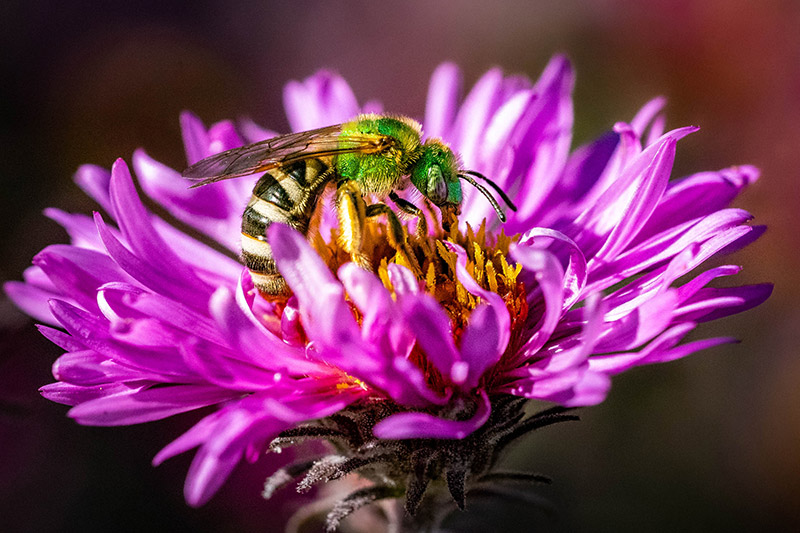
Bee inspired to do more for tiny, important pollinators. Join the movement to create habitat, support wildlife, clean up green spaces and spread the love for Northwest pollinators in your community and beyond!