


Connect with nature and green spaces to discover wildlife all around you


Discovering Neighborhood Wildlife
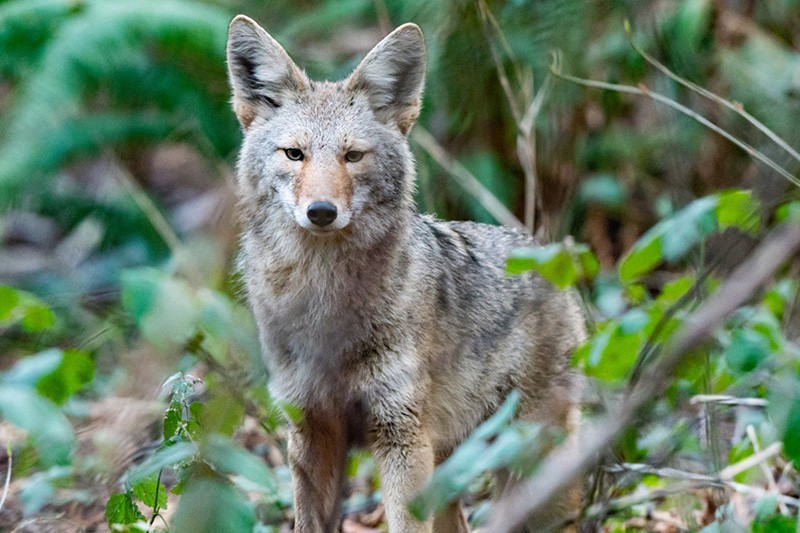
Seen a river otter snoozing on your favorite lake diving dock? Caught a glimpse of a raccoon making a twilight visit to a trash buffet? Noticed a coyote weaving through greenbelt bushes in the dark of night?
Wildlife is all around us, and so is a growing community of people committed to coexistence. Using remote research cameras and community science across the Seattle urban to suburban corridor, your neighbors are putting together a crowd-sourced view of our wild Living Northwest.
Nearby Nature

Take 10
PARTICIPATION LEVEL: LOW EFFORT
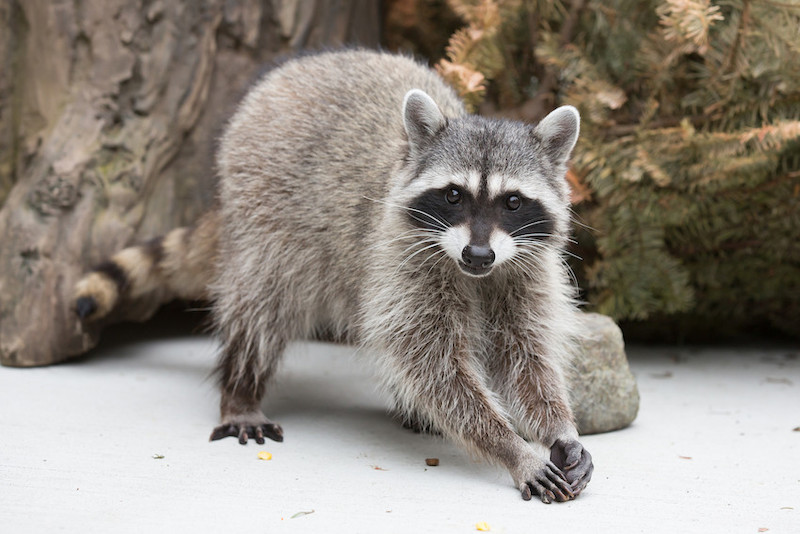
The first step to Living Northwest is to head outside. Start out in any direction from your home for a 10-minute exploration and look for signs of wildlife and green spaces. Who and what else shares this neighborhood with you? How do you think animals are finding food, water and shelter here? What might make that harder or easier throughout the year?
You can focus on mindfulness and awareness while outdoors, or use our exploration guide to turn this into a learning exercise for all ages.

Tips for Wildlife Watching
Whether you’re out looking for them, or come across a few animals on a hike, learning how to spot and observe wildlife without disturbing their habitat can make your experience even more rewarding. Here are some wildlife watching tips to help you get the most out of your outdoor adventures.
Become a Carnivore Spotter
PARTICIPATION LEVEL: LOW EFFORT
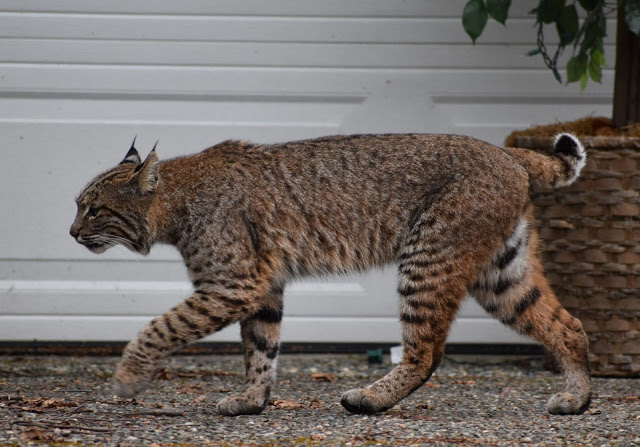
Thousands of Seattle-area residents have already joined the movement to discover wildlife all around them by logging their carnivore spottings. Browse the dynamic map to see the amazing wildlife found cruising through your area—from urban raccoons and coyotes, to suburban bobcats and black bears. Your neighborhood might be wilder than you think!
See the spottings in your neighborhood
(opens in new window)
Explore this Forest
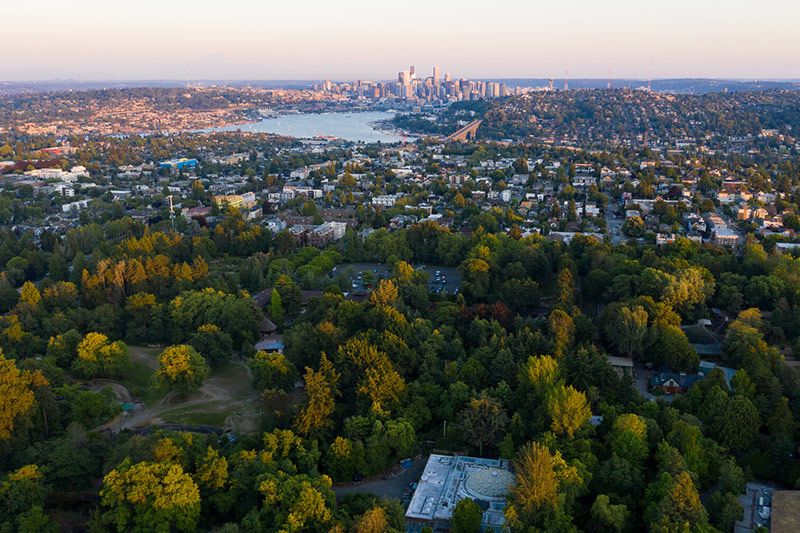
Woodland Park Zoo’s urban green space is a welcoming oasis for hundreds of native and migratory wild animals.
Neighborhood Naturalist
PARTICIPATION LEVEL: MEDIUM EFFORT
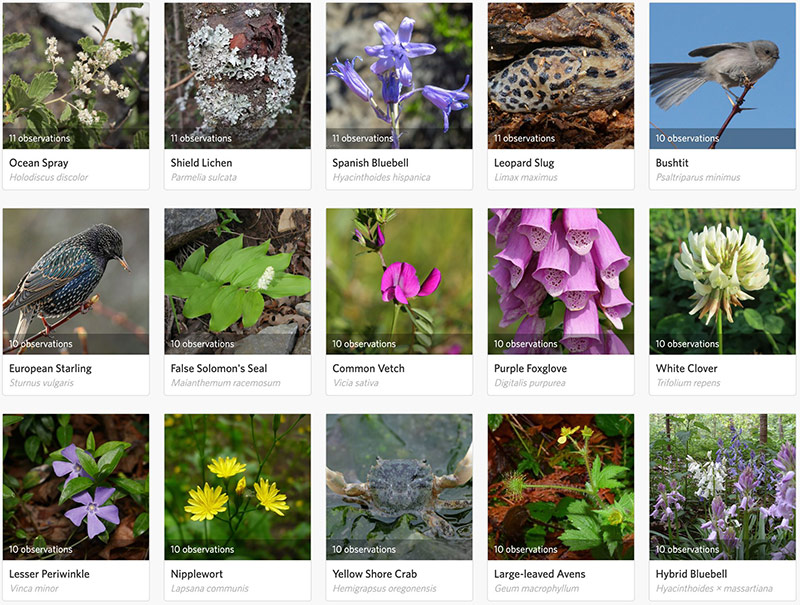
Next time you head outside, use the free iNaturalist app if you have a mobile device to identify plants and wildlife, then record and share what you find. Use the resource guide below to get started with iNaturalist or just download and dive in! You can also find local nature guides at your local library.
We’ll be that friend on Instagram who will double tap all your stopped-and-smelled-a-flower pics—just tag that #IAmLivingNorthwest
Discovery for All

Inclusive Conservation
These two works reflect on a more inclusive, participatory conservation powered by all:
Black Faces, White Spaces: Reimagining the Relationship of African Americans to the Great Outdoors Author Carolyn Finney highlights the work of Black leaders championing greater representation and participation in environmental movements, and the systemic challenges to access and engagement.
Buy local or check your library
The Rise of the American Conservation Movement: Power, Privilege, and Environmental Protection by Dorceta E. Taylor examines the origins of the U.S. conservation movement and how “the movement benefited from contributions to policy making, knowledge about the environment, and activism by the poor and working class, people of color, women, and Native Americans.”
Transit to Trails!
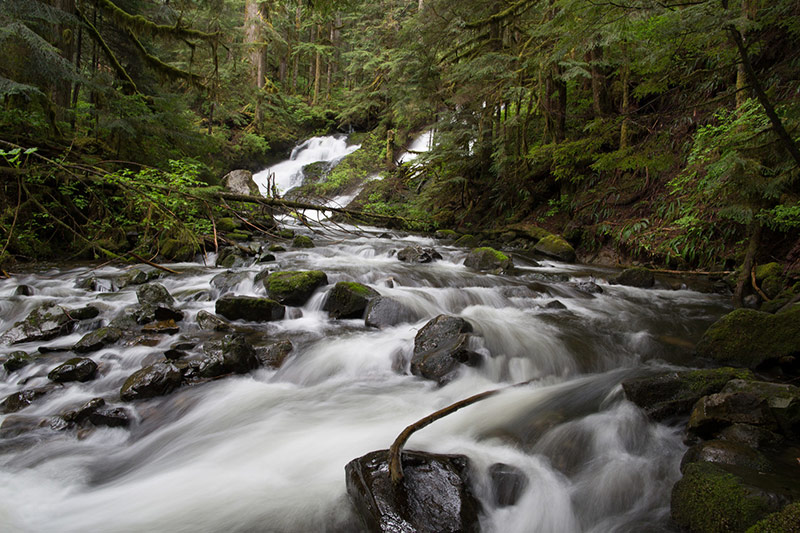
From Tukwila or Downtown Seattle out to Cougar Mountain or Mount Si, Trailhead Direct bus services connect city riders to the outdoors. This seasonal partnership between King County Parks and King County Metro is creating more equitable access to wilderness spaces for city dwellers while relieving vehicle congestion and carbon emissions.
Be a Voice for Equitable Green Spaces
PARTICIPATION LEVEL: MEDIUM EFFORT
Everyone deserves access to safe green spaces and the benefits of the outdoors. Roughly one quarter of King County, WA residents — 500,000 people — do not live within ready access to a publicly owned park, green space or trail according to King County officials. Most of these residents live in communities with the greatest and most acute needs. King County has a Community Engagement Action Plan, but now they need to hear from you about where the need and demand is.
Tell the King County Open Space Equity Cabinet that you are interested in adding equitable parks and green spaces in your community.
Don’t live in King County? Look up your local park management to learn about your community’s commitment to equitable green spaces and how you can help.
Detecting & Tracking Wildlife
I’m Carrie, and I am out here wading in mud, looking for egg masses
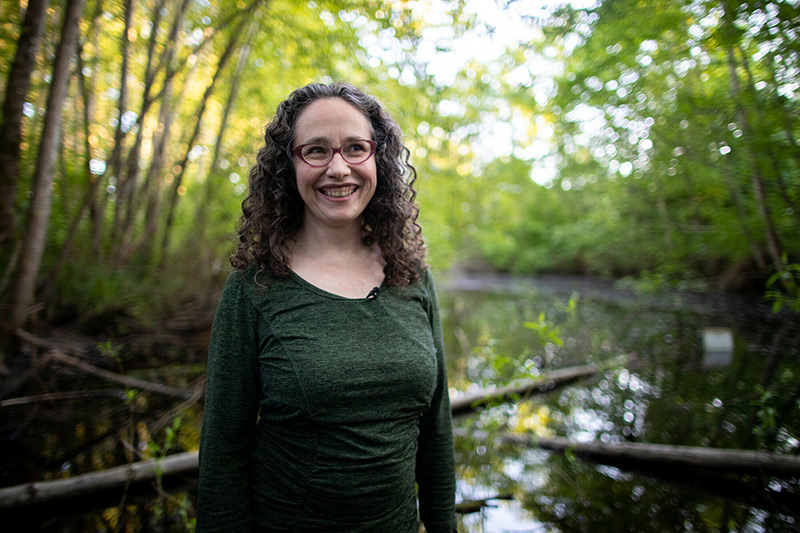
“I like frogs and salamanders. I like listening to them at night, and seeing them squiggling around in the ditches and plopping into the lake when you walk up. And I noticed that I wasn’t seeing them anymore. So I went reading, and found out much to my horror, that lots of people were noticing they weren’t seeing them anymore. Frogs are sensitive, delicate little folk, and they are an indication that things are not good if they can’t make it.
Since we’ve been looking so long this year and haven’t found any, it will be, at this point I might actually cry [if we find one] because it would mean that this space was healthy enough to be supporting the little froggies that I remember from when I was little, and really love.”
Acoustic Monitors
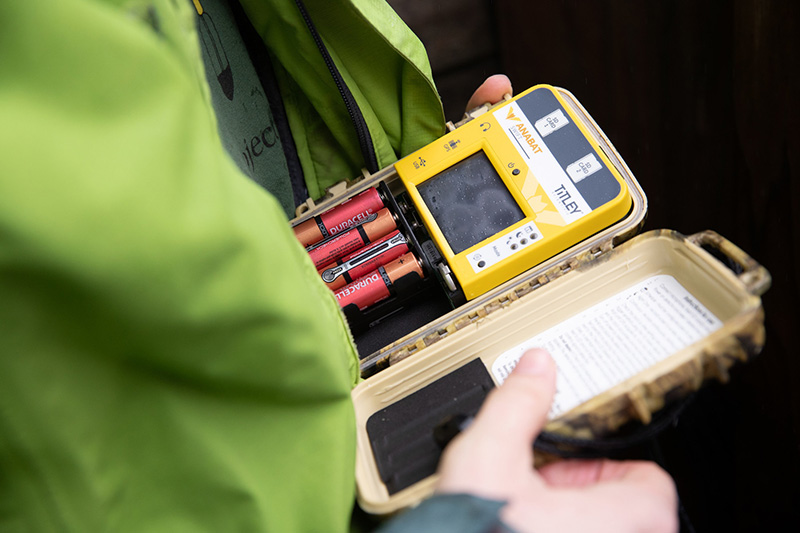
Bats echolocate with a sound form we cannot perceive—until now! Using acoustic monitors that translate bat sound waves into digital data, we can identify the unique frequencies of bat species and detect their behavior. Bats Northwest and Woodland Park Zoo scientists set up an acoustic bat monitor at the zoo in early 2020, and so far we have detected eight out of the 10 species known to western Washington!
Making Scents

With technology and creativity, Woodland Park Zoo researchers can now detect and monitor Northwest wildlife under the most extreme conditions.
Watch a Flower for Community Science
PARTICIPATION LEVEL: LOW EFFORT
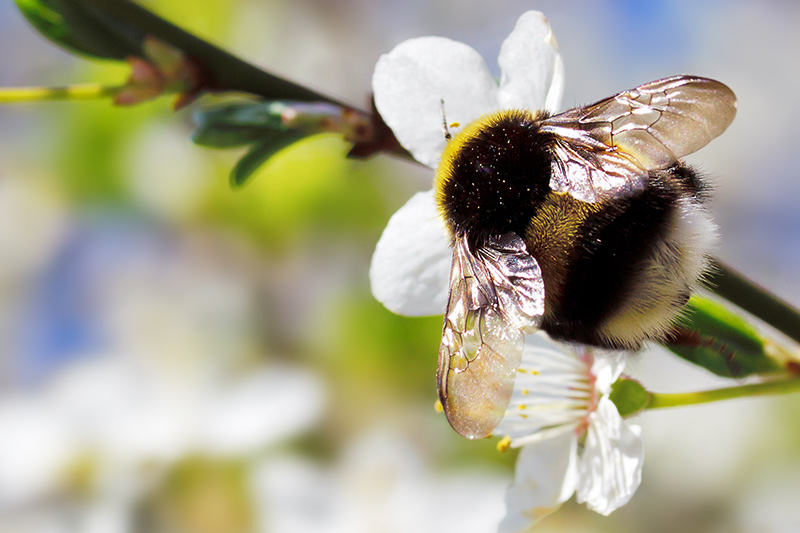
Join more than 100,000 people who are watching flowers and recording pollinator visits for the Great Sunflower Project. Create an account at www.greatsunflower.org to start logging. You can observe nearby your home, in a neighborhood green space, or in wildlands. Together, we are creating a record of the health of our pollinator communities.

Eyes on Olympic Martens
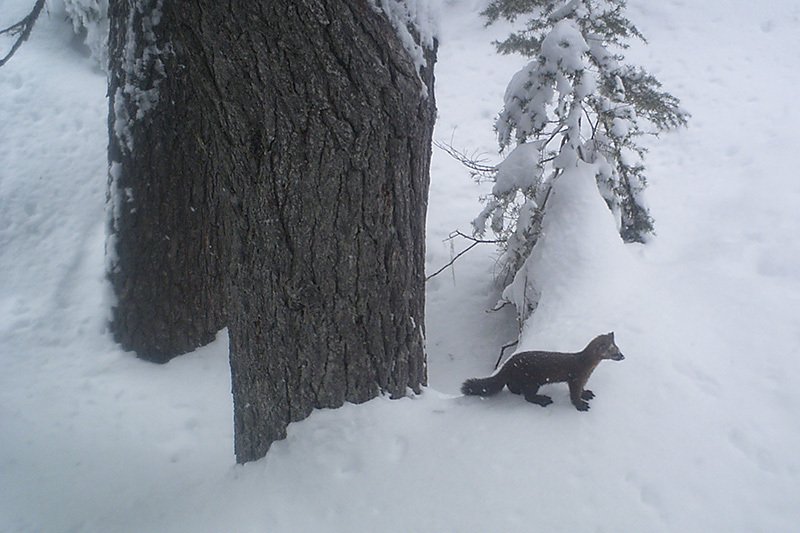
With remote cameras deployed at high elevations and paired with our innovative scent dispenser devices, Woodland Park Zoo scientists have helped document some of the only reliable sightings of martens in the Olympic Mountains in the last decades. The discovery and associated project—a collaboration with Olympic National Forest and Olympic National Park—bring hope for a marten population that is likely in need of recovery.
Hear more from Seattle Times reporter Lynda Mapes on this breakthrough for the “missing martens”