


Let’s restore habitat, recover wildlife and recharge our communities for a thriving Northwest

Fighting Fire with Fire
“I think [fire and I] have a mutual understanding. I know it can take my life at any moment, if it chooses, but I have a lot of respect for it. It’s a powerful living beast, but it’s also a tool.”
Wildfires are intensifying in Washington state as climate change brings hotter, dryer seasons to forested landscapes in need of active management. Yet for the state’s prescribed fire team, fire can be a conservation tool when used right.
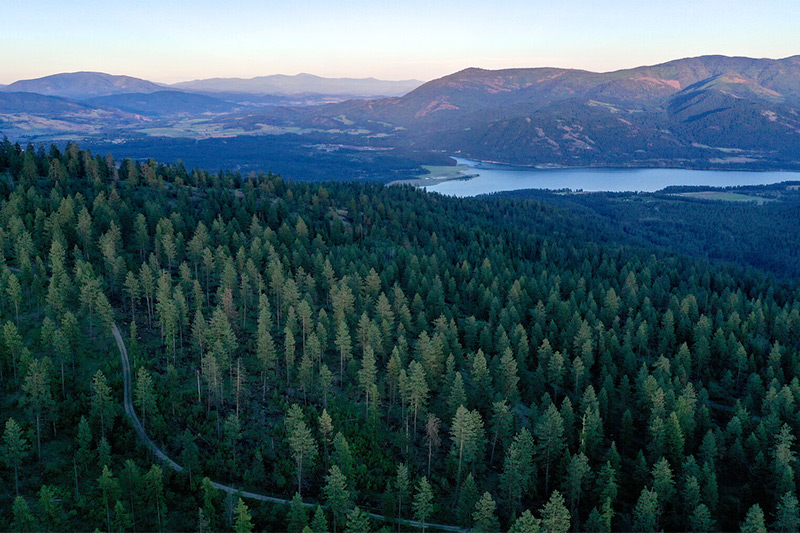
Healthy Habitats

Greener streets, bluer skies!
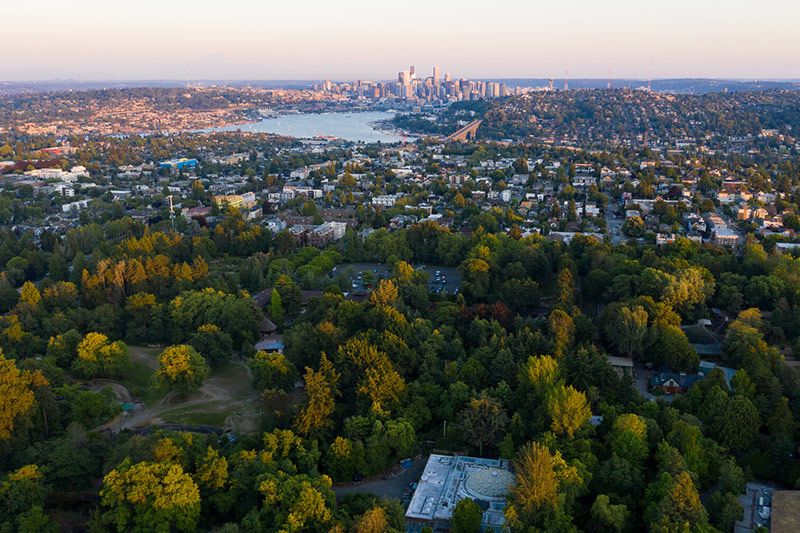
Since 2009, the City of Seattle’s Trees for Neighborhoods program has helped Seattle residents plant more than 11,300 trees in their yards and along the street at no cost. We all benefit as each tree re-duces carbon and water pollution, cools our communities, creates wildlife habitat, and gives us the gifts of beauty and joy for generations.

Duwamish River Cleanup
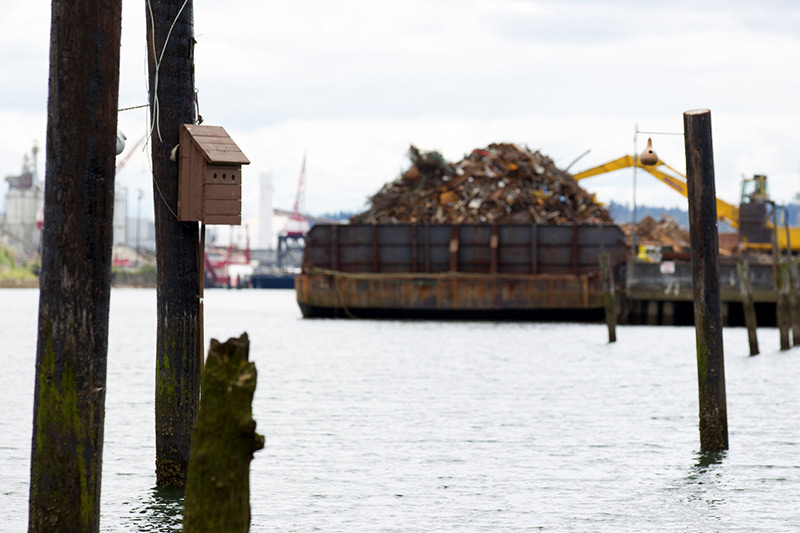
To trace Seattle’s lower Duwamish River, a 5.5 mile Superfund Site, is to trace the historic and contemporary injustices of a community with disproportionately high environmental health burdens. Neighborhood, Tribal, environmental and small business organizations have joined together as the Duwamish River Cleanup Coalition. They advise the federal cleanup of toxic, hazardous waste through direct community input, and invest in the resiliency of the families and wildlife who call this place home. You can support the coalition by joining their tours, events, volunteer and advocacy opportunities throughout the year.

Plant a Free Tree
PARTICIPATION LEVEL: MEDIUM EFFORT
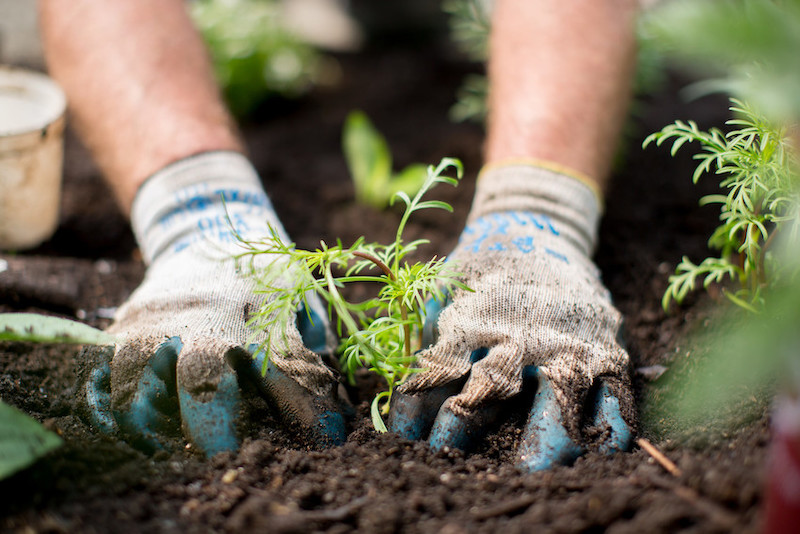
To clean and green the city, Seattle offers free trees and planting resources to renters and homeowners. Apply for your tree and sign up for training and support services. You don’t have to have a green thumb to be emerald at heart—Seattle’s Trees for Neighborhoods program will help you select the right tree and location and learn all about care and maintenance.
I am Omaretta and I heal through growing food
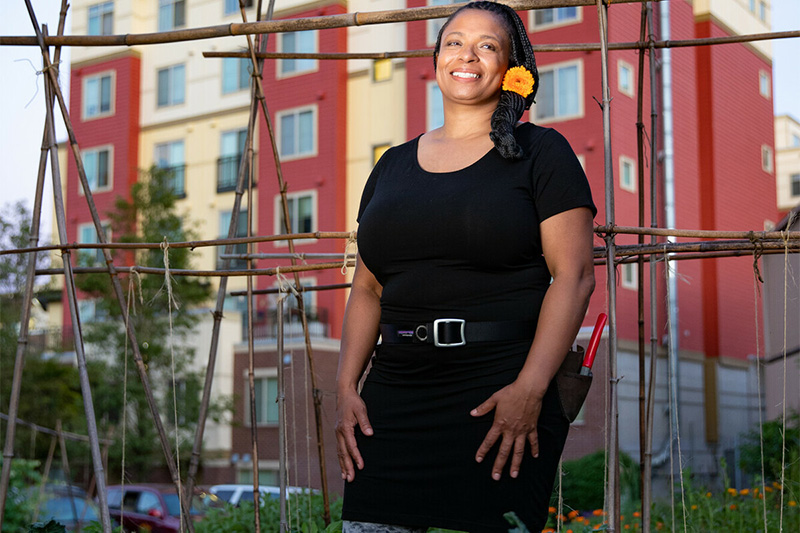
“I truly believe wherever there’s some soil, something can be grown there. And I do think that more green spaces would allow for the planet to heal. It seems like it’s kind of not feeling well right now. Even though the planet is here to help us heal and feed us, there are things we can do to empower the earth to continue doing its job. And that’s to make sure that we’re nourished. We all deserve to eat.”
Omaretta Sharpley is a farm coordinator with Common Acre at the Wetmore Community Garden, growing edible plants in a once undeveloped street in Rainier Valley. The valued green space is free for community members to harvest, and food is shared regularly with neighbors in SEED housing and the Rainier Valley food bank.
Use #IAmLivingNorthwest to share your story of how you recover community spaces for a thriving Northwest.

Growing Old
“What would it look like, within the next 50 years, for Seattle to become a place where both trees and humans grow old?” That’s what “Growing Old”, a limited-run, eight-episode podcast series produced in Seattle explores through diverse voices and perspectives. Created by Lylianna Allala, Colleen Echohawk, and Tamara Power-Drutis. Produced by: Katie Mosehauer. In partnership with Chief Seattle Club and Earth Day Northwest 2020.
Restore Nearby Habitat
PARTICIPATION LEVEL: MEDIUM EFFORT
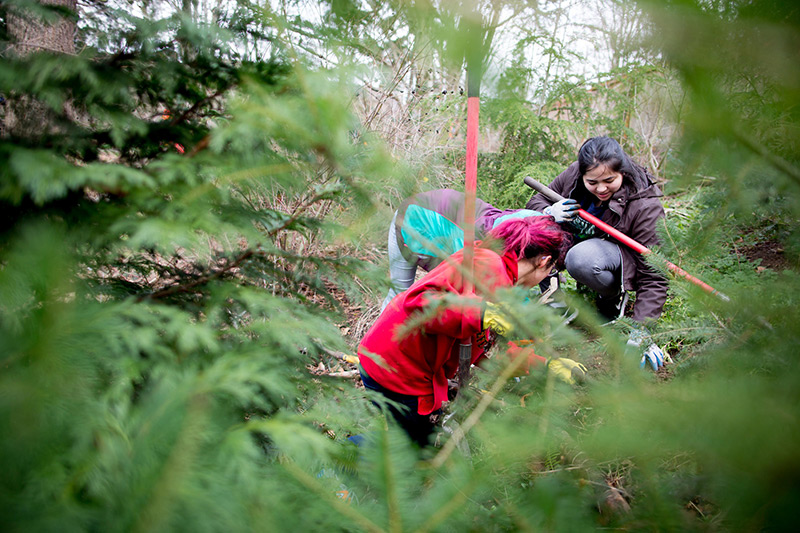
Our friends at Forterra maintain Green City Partnerships in cities throughout Washington where you can volunteer to restore urban parks and green spaces. Some in-person events may be altered for safety precautions. Look up a habitat restoration project or event near you and volunteer to help.

Evergreen at Heart
PARTICIPATION LEVEL: LOW EFFORT
Though Washington has been called the Evergreen State since the 1890s, many of the trees that gave us our nickname outdate us by centuries. The oldest and tallest among them, known as champion trees, are massive to behold and a reminder of what’s at stake when we fight to protect and restore our forests.
(Click to expand)
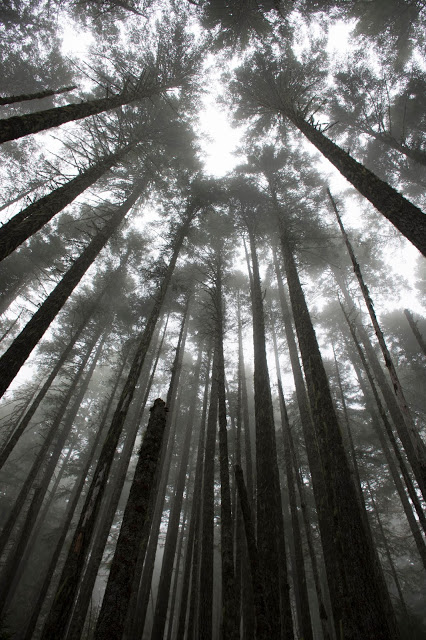
Start on the corner of your street or an average city block and continue about 1/2 of the way—the distance you covered is the height of a champion western red cedar (178 feet). Cedar is known as the “long-life giver” to Salish peoples who receive from it materials for canoes, housing, basketry, clothing, medicine, and spiritual connection.
Keep going just past two-thirds of the way from your starting point and you’ve covered the height of a champion sitka spruce (305 feet). The sitka spruce is popular in timber and paper production. In fact, the Wright Brothers’ plane was made from sitka spruce!
Reach near the end of the block to cover the equivalent height of a champion Douglas fir (326 feet). Owls and voles make their homes in Douglas firs, while the fir seeds, cones, bark and even needles are essential to many forest animal diets.
Magnificent!
Recovering Wildlife
I’m Matt. I am a prescribed fire manager who loves to help improve our ecosystems
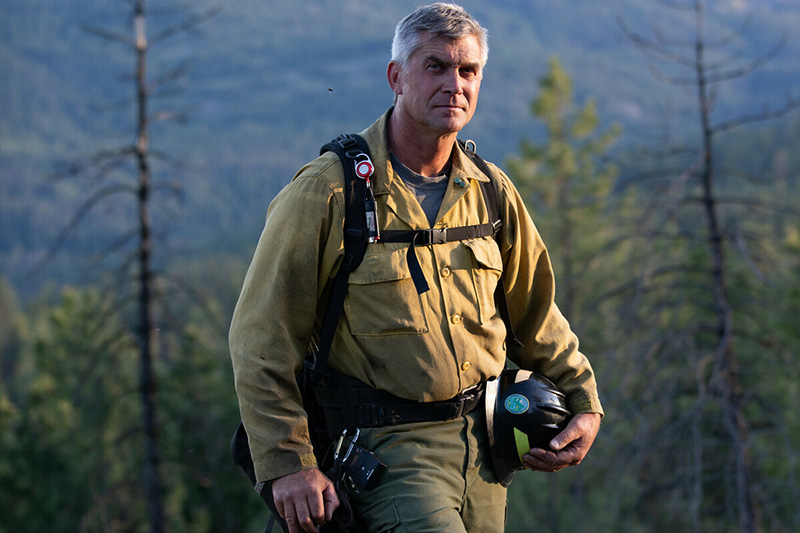
“I don’t think of myself as a conservationist, I think of myself more as a firefighter or fire practitioner. But when you look at the sense of a conservationist, [when] you get right down to it, that’s what we’re doing. We’re trying to conserve and protect this landscape, improve it.”
Matt Eberlein is the Prescribed Fire Program Manager for Washington Department of Fish and Wildlife. He leads his crews to apply preventative, controlled burns to state-managed landscapes to reduce forest debris that can otherwise fuel intense wildfires during our increasingly hot and dry summers.
Use #IAmLivingNorthwest to share your story of how you recover habitat for a thriving Northwest.
Recovering America’s Wildlife Act
Sign the letter to support Recovering America’s Wildlife Act. This bipartisan bill will protect rare species while keeping common species thriving, help fund wildlife protection in Washington state, and assist your zoo in working to maintain healthy habitats for all.
Spawning Grounds
In a rapidly growing and changing community, the plight of the kokanee salmon of Lake Sammamish is bringing together Tribal leaders, county and state agencies, landowners and conservation groups. Spawning Grounds explores what more we preserve when we look out for our “little red fish” together.
Butterflies Return
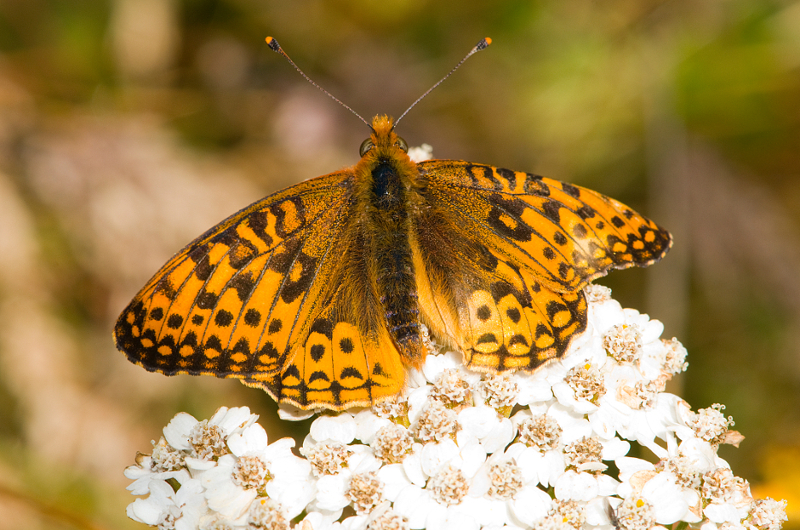
The eggs start out about the size of the period at the end of this sentence. Each year, Woodland Park Zoo hatches endangered Oregon silverspot butterflies and rears the young larvae until they pupate. Since 2001, we’ve been releasing 1,000-2,000 pupae each summer to protected Northwest coastland meadows where the butterflies take flight. With our partners at Oregon Zoo, we’ve been able to re-build three butterfly populations and establish two new populations along the Oregon Coast.
Flying Goats
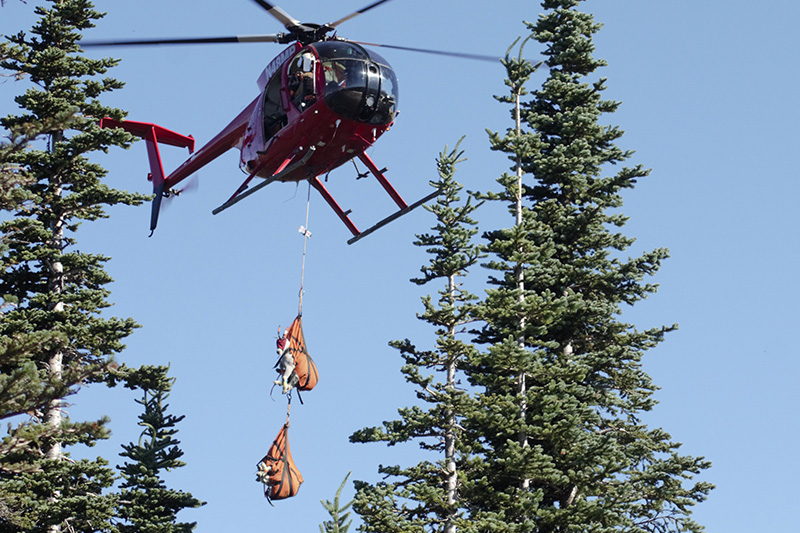
Surefooted on alpine slopes, hundreds of mountain goats also tested their aerial skills when state and federal wildlife agencies began airlifting goats from the Olympic Mountains to be transferred to their native Cascades range. Introduced in the 1920s by humans to the Olympics, goat populations had proliferated there while their native populations dwindled in the Cascades.
Since 2018, 275 goats have been translocated by helicopter to rebuild stable and connected populations in the Mt. Baker-Snoqualmie and Okanogan-Wenatchee National Forests. Kid goats unable to be reunited with their moms and in need of a long-term home have found residence at Woodland Park Zoo, Point Defiance Zoo & Aquarium and Oregon Zoo.
Grouse Podcast
A former city reporter relocates to sagebrush country under eastern Washington skies and discovers a local bird there that carries the stories of our past and our hope and concerns for the future. Hosted by Ashley Ahearn, “Grouse” is an eight-part podcast series produced in partnership with BirdNote Presents and distributed in collaboration with Boise State Public Radio.
Orca Need Salmon
PARTICIPATION LEVEL: LOW EFFORT
Our Southern Resident Killer Whales are hungry. Protecting them means protecting salmon. Healthy salmon need healthy habitat. The Washington Department of Fish and Wildlife explains how we’re all connected by these challenges—and the solutions.
Protecting Northwest Bats
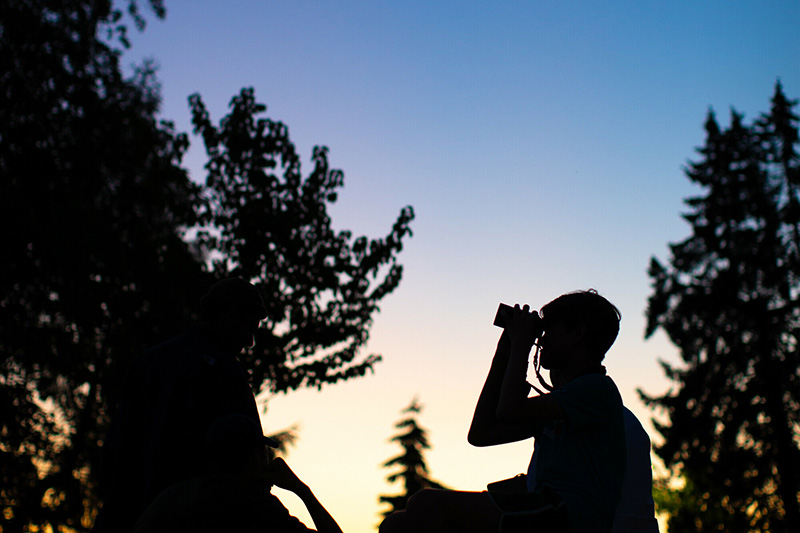
Across the United States, bats face threats from habitat loss, climate change and the devastating white-nose syndrome, a fungal disease often fatal to hibernating bats. In 2023, Woodland Park Zoo joined with Washington Department of Fish and Wildlife, Northwest Trek Wildlife Park and scientists from Wildlife Conservation Society Canada to study a potentially groundbreaking treatment to help wild bats survive the effects of white-nose syndrome. The three-year study is supported by a grant from the U.S. Fish and Wildlife Service White-Nose Syndrome National Response funding program.
This collaborative project has inspired optimism and shown us just how many folks are passionate about protecting Northwest bats!

This Land is Part of Us
“Here, at the northern extent of the great ‘Sagebrush Sea’ that once sprawled across much of the American West, growing collaboration between agencies, Native American Tribes, conservation organizations, local landowners, and other partners seeks to preserve and restore shrub-steppe ecosystems while supporting cultural and economic values.”
Golden eagles, short-eared owls and rough-legged hawks make their home in this changing landscape—where our own Living Northwest program’s Raptors of the Shrub-Steppe aids in the protection of raptors and the shrub-steppe habitats they occupy.
Watch this stunning short film by our friends at Washington Department of Fish & Wildlife and Conservation Northwest and let us know how you connect with this incredible place.