


Let’s discover, recover and coexist with pollinators

Hello Pollinators!
Your Guide to a Healthy Garden
Use healthy gardening practices to control pests and attract more pollinators to your home or community garden. Get the scoop on planting, tips for attracting pollinators and our pesticide alternative shopping guide.
DISCOVER

Protecting Pollinators in the Northwest
Our own human existence and community health can be measured in the flutter of a wing or the splash of a fin––here in the Northwest we pride ourselves in knowing that we are connected to nature even in the tiniest details. Your Woodland Park Zoo has been on a pollinator journey of our own, but we are not alone in the growing movement to protect and conserve habitat for pollinators across the Northwest. Read on to discover some of the most inspiring projects and meet the folks behind this community effort.

Participate in the PNW Bumblebee Atlas
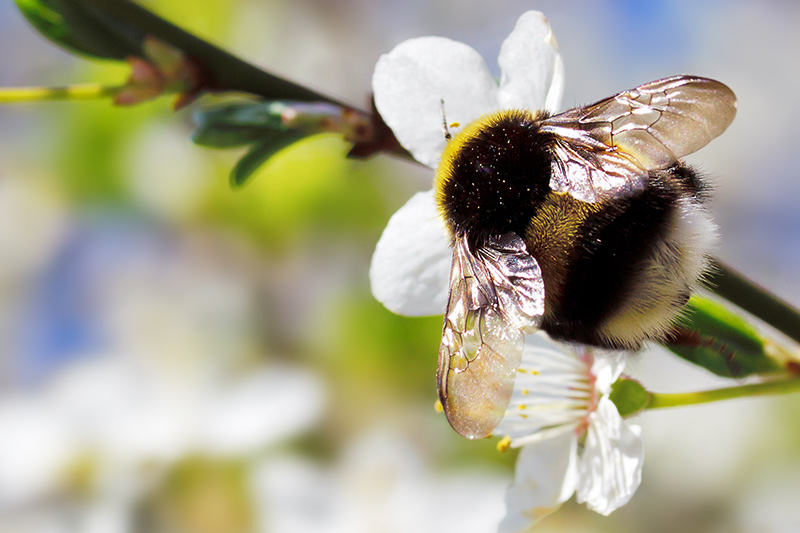
Think you know your bumblebees?
Help PNW entomologists and conservationists map 23 species of bumblebees across WA, OR and ID to better understand populations. Learn more about this community science opportunity.
The PNW Bumble Bee Atlas is a collaborative effort between the Washington Department of Fish and Wildlife, the Idaho Department of Fish and Game, The Xerces Society for Invertebrate Conservation, Oregon State University, and the Oregon Department of Agriculture to track and conserve the bumble bees of Oregon, Washington and Idaho.

Soak Up Summer
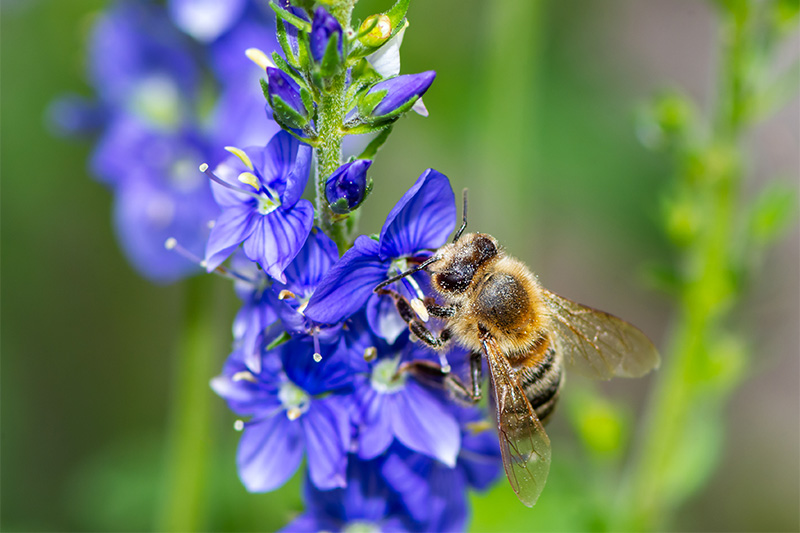
Summer is the perfect time to take stock of who is visiting your garden, patio or neighborhood… sit back, relax and look closely at the pollinators in your neighborhood. Keep a pollinator journal with others in your home and see just how many species you can spot. Understanding who lives here will help you provide good habitat for these precious PNW gems. Check out our pollinator resources for more info on what these little visitors might need.

Disappearing Bees
TED Talk by Marla Spivak: “This is a 15-minute Ted Talk video that will help you understand how important bees, not just honey bees, are to our existence. She explains, very simply, how efficient the honey bee is as a homemaker and caretaker and goes through the ways we can help this vital creature thrive”
Western Monarch Milkweed Mapper
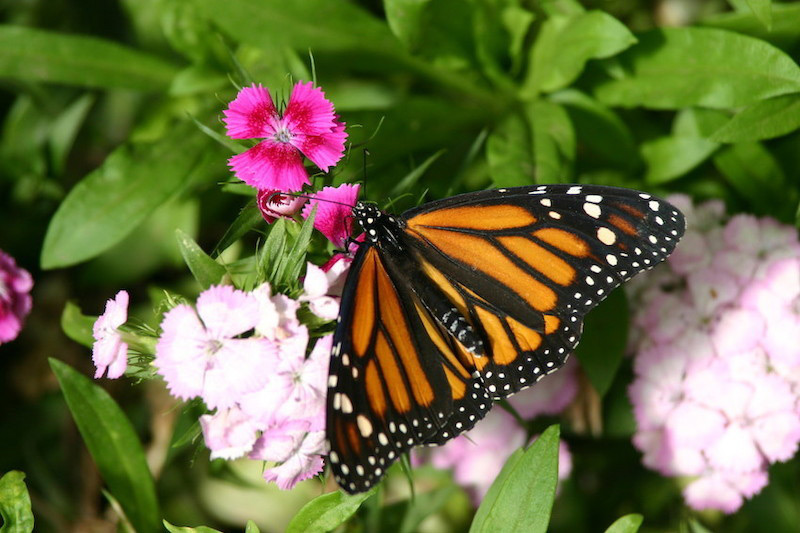
Part of a collaborative effort to map and better understand monarch butterflies and their host plants across the Western U.S., data compiled through this community science project will improve understanding of the distribution and phenology of monarchs and milkweeds, identify important breeding areas, and help support monarch conservation needs.

Capitol Campus Pollinator Garden
A new pollinator garden to support thriving butterflies, bees and birds is now available at the Washington State Capitol Campus in Olympia.
RECOVER
Saving the Silverspot Butterfly
#savingspecies
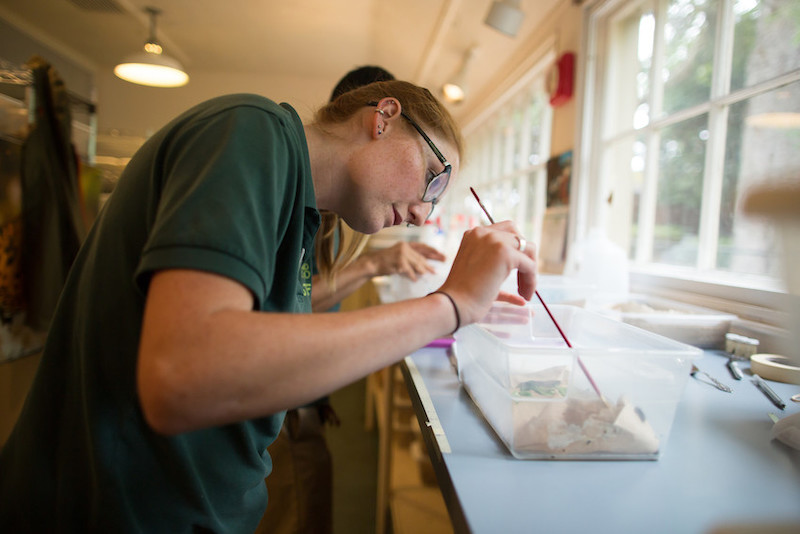
The Oregon silverspot butterfly requires vanishing Northwest coastal grasslands to survive. When the butterfly was listed as threatened by the U.S. Fish and Wildlife Service in 1980, it was only known to exist at one site in Oregon. The Oregon silverspot butterfly once lived in coastal prairies from southern Washington through northern California.
In 1999, the U.S. Fish & Wildlife Service revised the silverspot recovery plan, starting a captive rearing and release program with the Oregon Zoo and Lewis and Clark College. Woodland Park Zoo joined the program just two years later. The captive reared butterflies are released at coastal locations in Oregon, where wild blue violets, the butterfly’s essential food source, remain abundant.
Between 2016 and 2020, Woodland Park Zoo and Oregon Zoo have released over 10,000 pupae. In 2012, both zoos shared the AZA Significant Achievement Award for their work on the Oregon silverspot captive rearing program. As of 2019, the U.S. Fish & Wildlife Service has begun habitat restoration in Washington in preparation for future recovery of the Oregon silverspot butterfly in the state.
You better bee-lieve it!
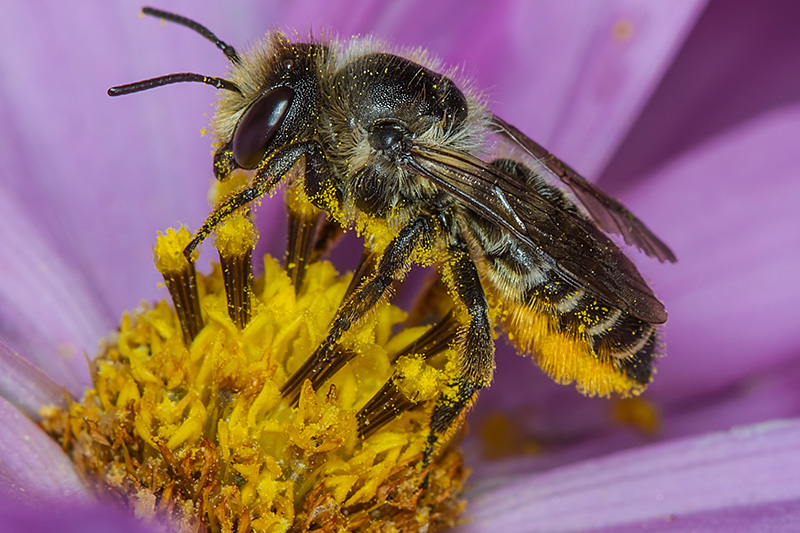
We asked you to send us the questions you’ve always wanted to know about bees. Our in-hive bee expert, Erin Sullivan, entomologist and animal care manager, gives us the answers we’ve been searching for—when it comes to our buzziest pollinators.
Son of Monarchs
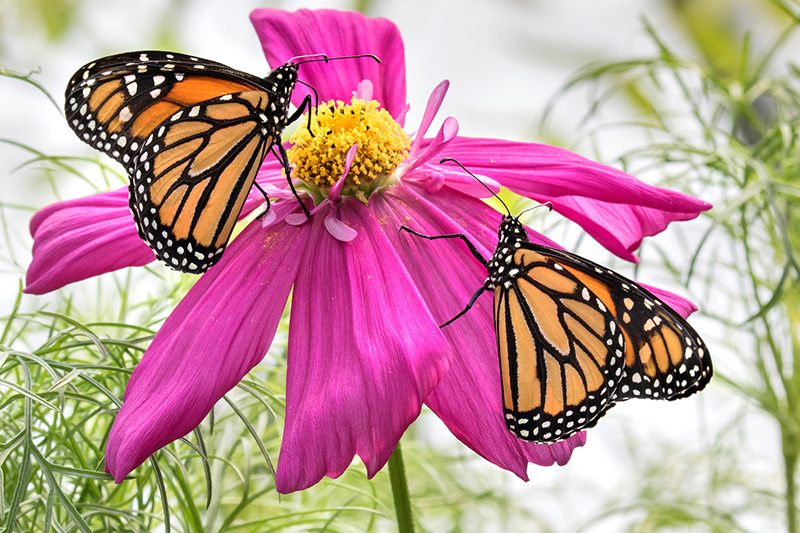
The recipient of the Alfred P. Sloan Prize, awarded to a feature film focused on science and technology, the film Son of Monarchs recently premiered at the 2021 Sundance Film Festival and it’s a must see. Read more about this transformative film that pulls together themes such as family, spirituality, migration, science and environment… and offers a wonderful allegory about humans and butterflies.
Creating Healthy Habitats
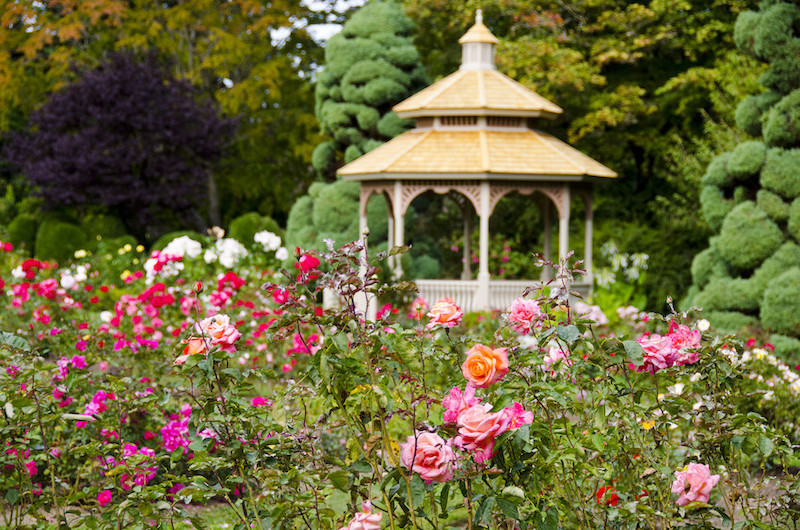
When we plant trees, shrubs, and flowers around our homes, we are also building homes for a whole community of animals. Even if we plant only a few useful plants, we are improving the habitat for wildlife. Learn more from our friends at Washington Department of Fish and Wildlife.
PolliNation Podcast
PolliNation is a podcast from Oregon State University Extension Service that tells the stories of researchers, land managers and concerned citizens who are making bold strides to improve the health of pollinators. Listen to over 170 episodes to get your pollinator fix!

Xerces Society for Invertebrate Conservation
This international nonprofit organization protects the natural world through the conservation of invertebrates and their habitats, conducting research and community science programs in pollinator conservation, endangered species conservation, and reducing pesticide use and impacts.
Habitat at Home
Create a habitat for wildlife at home and help to offset the acres of habitat that are lost to housing and urban development each year in Washington. Thanks to our friends at Washington Department of Fish and Wildlife this resource will be your guide to helping decrease habitat fragmentation, especially in highly urbanized areas.
Saving a Northwest Gem
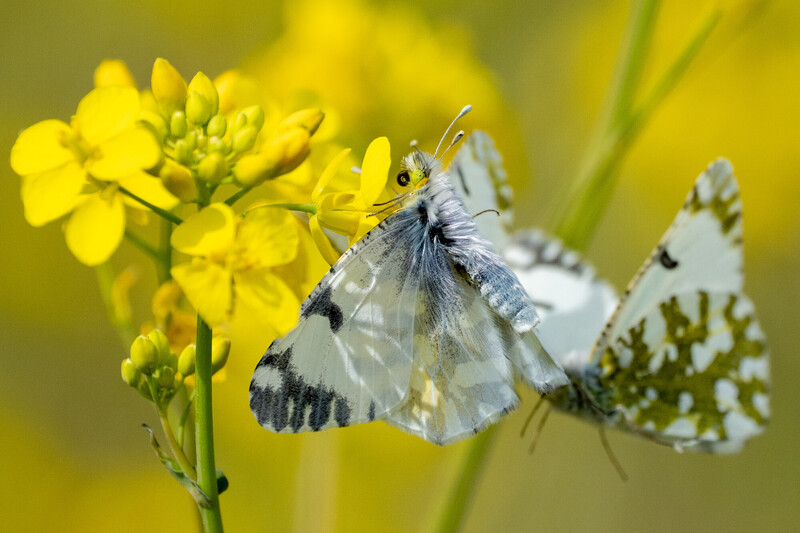
Thought to be extinct for almost 100 years, the endangered island marble butterfly is a symbol of optimism and deep collaboration between residents of San Juan Island, biologists and conservationists. The white butterfly with beautiful green and yellow marbling is thought only to exist on San Juan Island—a delicate population as stunning as their habitat.
Join us to recover Washington’s endangered island marble butterfly
COEXIST
Selecting Plants for Pollinators
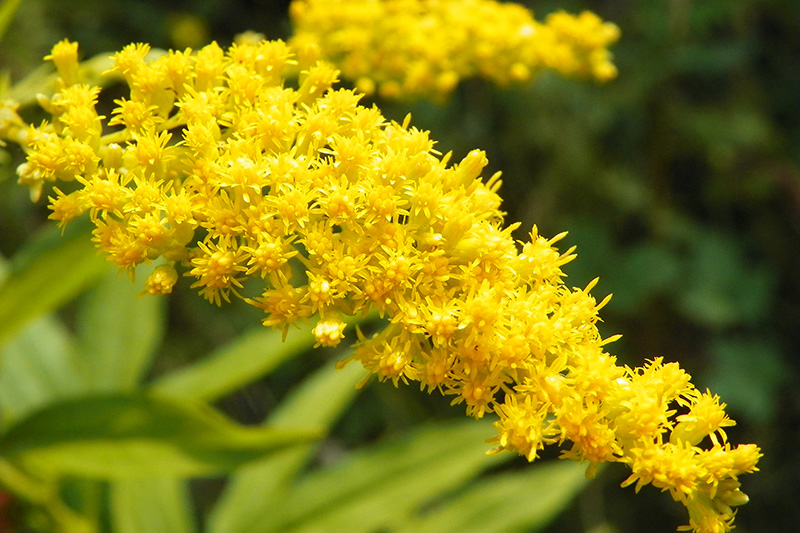
A fantastic planting guide for gardeners in the ecological region of the Pacific Lowland Mixed Forest.
Imagination in Place
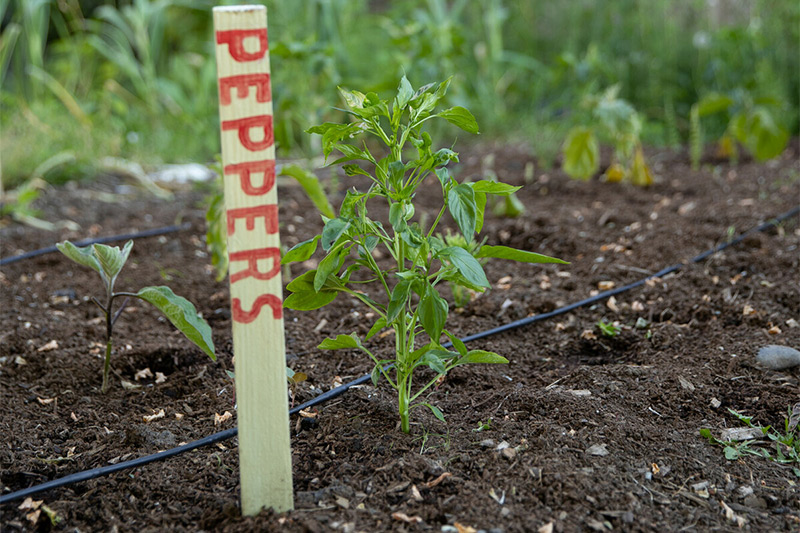
Projects like those supported by our friends at Common Acre not only provide local, delicious food for the community, but become an oasis for pollinators, artists and gardeners alike. Their vision is one we can get behind: People living in right relationship with the earth and each other, sustaining a healthy planet and thriving, interdependent communities.
Good News!
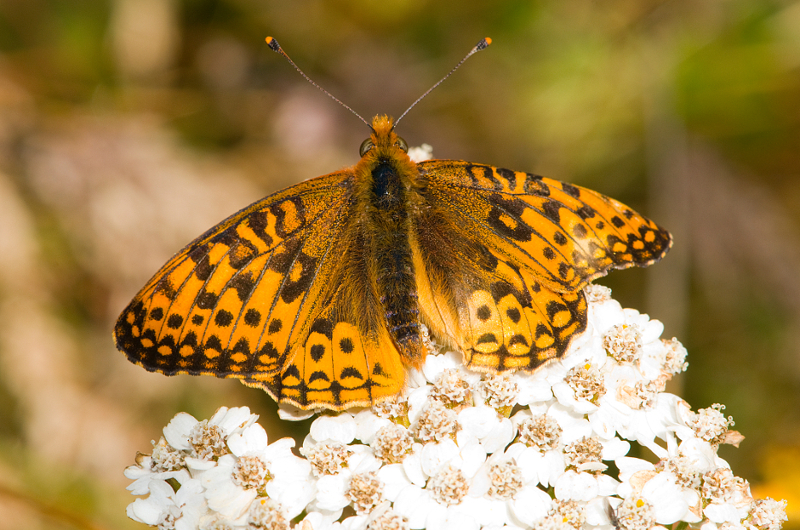
A Healthier Northwest for pollinators
Here in Washington state, we pride ourselves in being connected to nature even in the tiniest details. Woodland Park Zoo is proud to have helped usher SB 5972 into law—restricting the sale of neonicotinoids and protecting precious Northwest pollinators.
Diversity in Science Makes Science Better
“Entomologists study the most diverse organisms on Earth, and we come from an array of backgrounds, genders, socioeconomic classes, ages, ethnicities, and orientations. Professional entomologists of color are less common than White entomology professionals due to historical racism and modern systemic bias that limits recruitment and retention of diverse scientists.”
Check out this spotlight on Melanie Kirby, a Master of Science student–learn about her path to becoming a professional entomologist, the folks who inspired her and what has kept Melanie passionate about her work.
From American Entomologist, Volume 67, Issue 1, Spring 2021, Pages 54–59
Pollinator Toolkit
This robust resource is buzzing with everything you need to provide local pollinators with food, shelter and water. From building a bee house and picking out the perfect plants to reducing pesticides, this toolkit has got your Pollinators 101 covered.