


Let’s discover, recover and coexist with carnivores

Discovering Neighborhood Wildlife
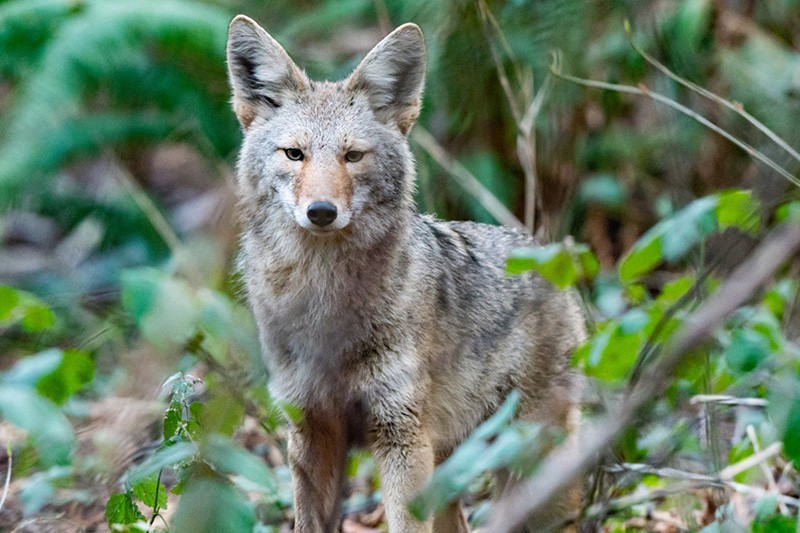
Seen a river otter snoozing on your favorite lake diving dock? Caught a glimpse of a raccoon making a twilight visit to a trash buffet? Noticed a coyote weaving through greenbelt bushes in the dark of night?
Wildlife is all around us, and so is a growing community of people committed to coexistence. Using remote research cameras and community science across the Seattle urban to suburban corridor, your neighbors are putting together a crowd-sourced view of our wild Living Northwest.
Discover

Become a Carnivore Spotter
PARTICIPATION LEVEL: LOW EFFORT
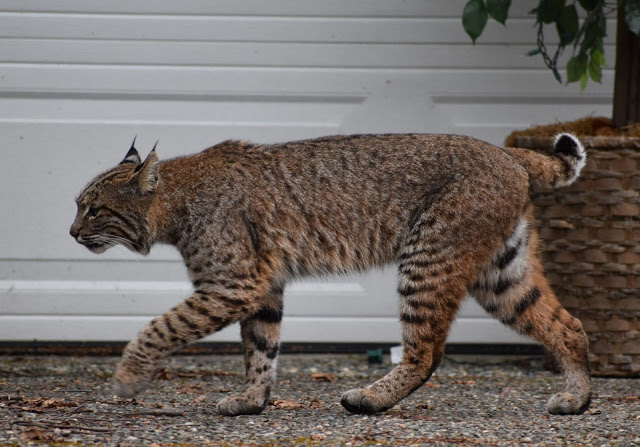
Thousands of Seattle-area residents have already joined the movement to discover wildlife all around them by logging their carnivore spottings. Browse the dynamic map to see the amazing wildlife found cruising through your area—from urban raccoons and coyotes, to suburban bobcats and black bears. Your neighborhood might be wilder than you think!
See the spottings in your neighborhood
(opens in new window)

My, what specialized teeth you have!
Check out this awesome Washington Department of Fish and Wildlife-curated collection of mostly mammalian carnivore skulls in 3D. Students can explore similarities and differences in the skulls in this online interactive exhibit! Explore the skull structure of Northwest carnivores such as bobcat, fisher, wolverine and bear.
Framing Our Future
Northwest carnivores such as wolverines and lynx depend on remote alpine and taiga forests where they make their home. Advocate for intact forests for wildlife—which also keeps climate change in check by absorbing carbon. It’s not too late to slow climate change and save wildlife at the same time.
Shadow a Scientist
What is it like to shadow a crew of carnivore conservationists?
Read up on how biologists and conservationists check on remote cameras stationed in the forest—and see what (if anything) this footage reveals. Remote cameras allow researchers to determine the presence of rare species and sometimes reveal how we can better support their recovery. This is what it’s like to accompany a team of conservationists up a very steep mountain in search of a very elusive creature.

Eyes on Olympic Martens
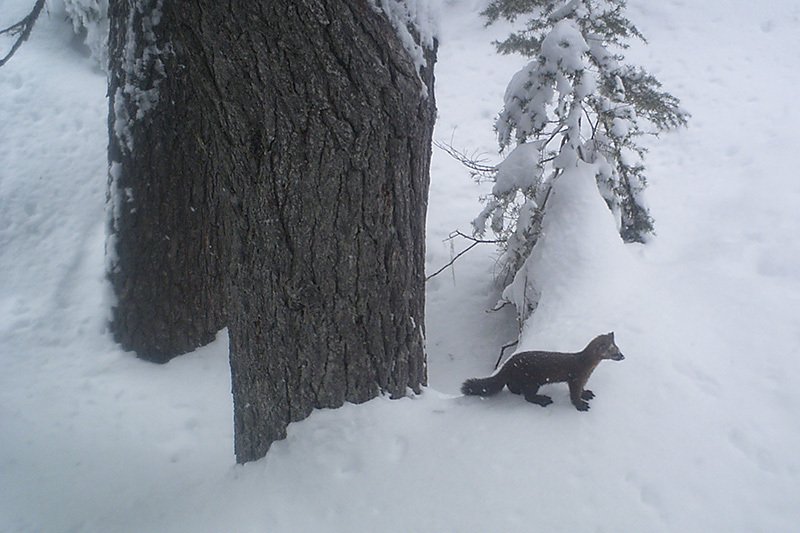
With remote cameras deployed at high elevations and paired with our innovative scent dispenser devices, Woodland Park Zoo scientists have helped document some of the only reliable sightings of martens in the Olympic Mountains in the last decades. The discovery and associated project—a collaboration with Olympic National Forest and Olympic National Park—bring hope for a marten population that is likely in need of recovery.
Hear more from Seattle Times reporter Lynda Mapes on this breakthrough for the “missing martens”
Whose Tracks?
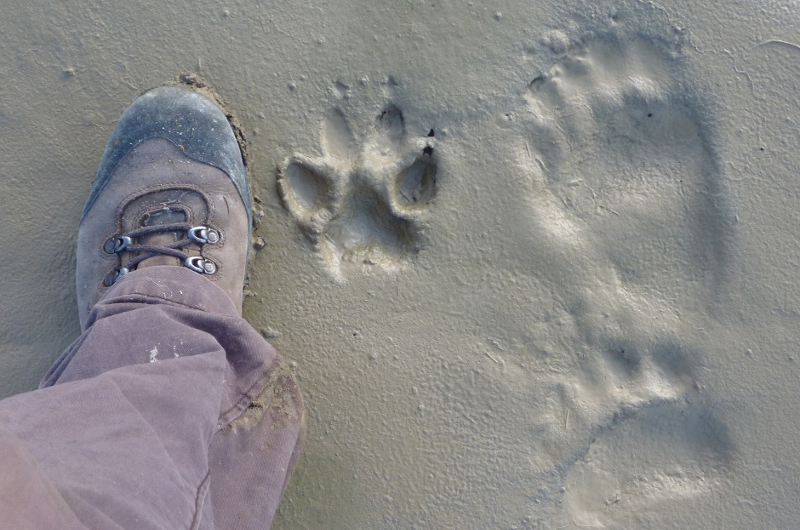
Wolverine, raccoon or fox… can you tell whose tracks are whose? Check out this great resource from Wenatchee Naturalist to explore all sorts of wildlife prints and see if you can find any signs of carnivore activity on your next trek!
Recover

@RLongEco
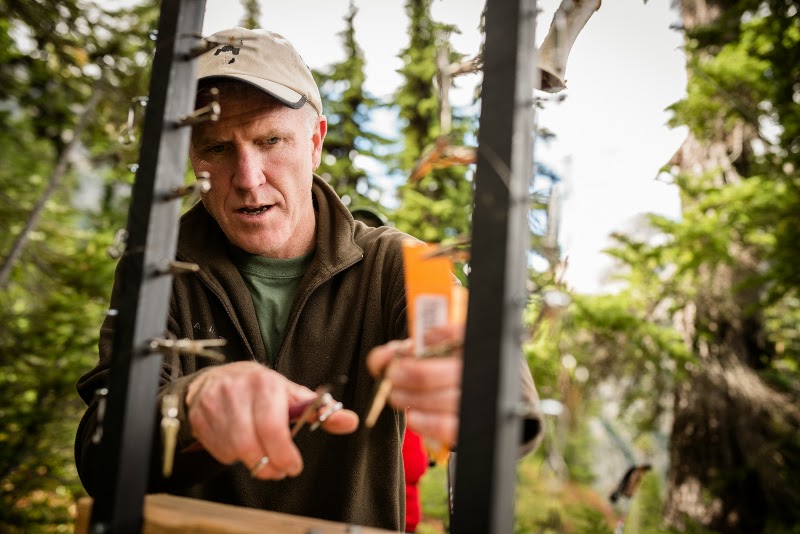
Director of Woodland Park Zoo’s Living Northwest Conservation, Robert Long is a conservation biologist, carnivore ecologist and noninvasive researcher who does everything from installing remote cameras in the high Cascades to track wolverines, to working with wildlife partners to establish outreach and education on backyard habitats in urban spaces throughout Puget Sound. Follow along for newsworthy updates on all things carnivores and let his enthusiasm for PNW species fill your feed.

Canada Lynx and Climate Change
“One of the figurative canaries in our regional coal mine for climate change has un-canary-like tufted, furry ears and big paws. It is the Canada lynx, which inhabits the snowy mountains of the eastern North Cascades.” Read more from Dan Chasen via Post Alley
Have you ever seen a fisher?
In 2018, 49 landowners had enrolled 2.98 million acres in the name of endangered fisher conservation.
Elusive carnivores once considered extinct in Washington state, fishers are members of the weasel family and about the size of a large house cat. By the mid-1900s, over trapping and habitat loss had decimated the population in Washington. The release of six fishers in 2018 was a sign of hope for this species, an effort to restore their presence in the North Cascades.
Northwest Wolverines
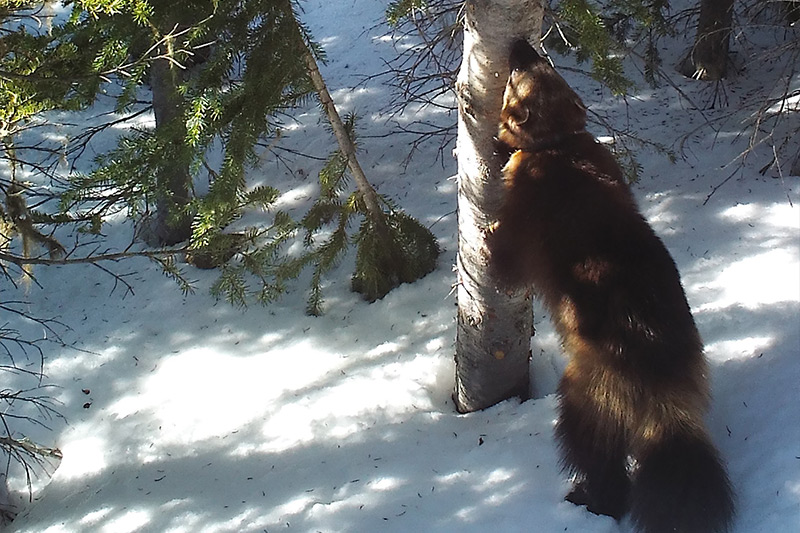
Woodland Park Zoo has been at the forefront of regional wolverine conservation for eight years, tracking the recovery of this small population in the face of climate change and other threats.
Woodland Park Zoo has successfully developed noninvasive tools to monitor wolverines and other rare, high-mobility species, including a high-tech scent dispenser and a station-based protocol that detects wolverines with consistency. Even more inspiring? Robert Long, Director of the Living Northwest Program and Paula MacKay, Conservation Associate at Woodland Park Zoo are helping to develop a long-term monitoring framework for wolverines in the Cascades, and also providing leadership to a multi-state wolverine monitoring effort as part of the Western States Forest Carnivore Working Group and the Washington Wolverine Research and Monitoring Working Group.
As Pacific Northwest stakeholders join forces to mitigate the threats of climate change, we can work toward a sustainable future for wolverines and for our human communities.
Speak Up for Grizzly Restoration
PARTICIPATION LEVEL: LOW EFFORT
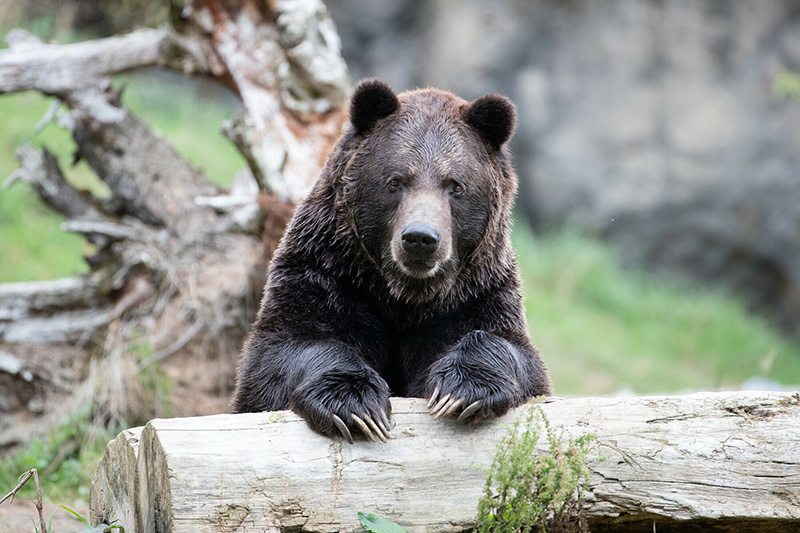
Add your voice to the Living Northwest community calling for a brighter future for Cascades grizzlies. Where grizzlies thrive, so do wildness, clean water, and abundant fish and wildlife. Woodland Park Zoo has joined the Friends of the North Cascades Grizzly Coalition to endorse a science-based, community-engaged process in restoring grizzlies to the North Cascades. Add your name to the list of supporters to help show the federal government there is strong public will for action.
Coexist
Be Carnivore Smart at Home
PARTICIPATION LEVEL: LOW EFFORT
We can make simple commitments at home to avoid negative interactions with carnivores and keep people and animals safe. Try these tips to remove food temptations that may attract raccoons, coyotes, bears and other wildlife:
- Hang bird feeders 10 feet off the ground and 10 feet away from supports. Limit feeding of birds to the winter when bears are less active.
- Keep barbecue grills clean and inside if possible.
- Store garbage indoors when possible and place bins outside on the morning of pick-up.
- Feed pets inside and do not leave pet, livestock or chicken feed and bird seed outside.
- Enclose chicken coops with electric or chain link fencing to help keep them safe.
- Pick up fallen fruit and put out compost on the day of pick up instead of the night before.
- Enclose gardens with fencing when possible.
Seattle Coyote Study
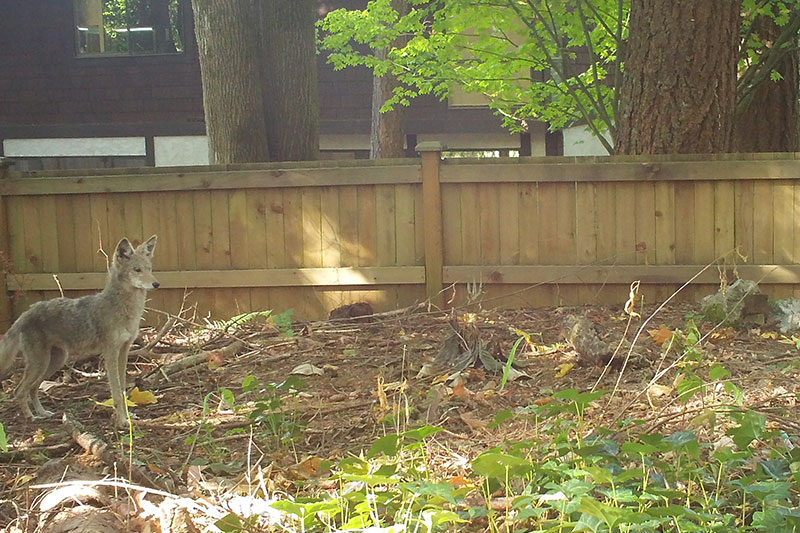
The Seattle Coyote Study, a project of Woodland Park Zoo and the Prugh Lab at the University of Washington is collecting coyote scats from across Seattle in order to understand what coyotes are eating in Seattle. Our research is currently focused on the diet of urban coyotes. Understanding what Seattle urban coyotes eat will help us understand how urban ecosystems function, the role of urban carnivores, where human-coyote conflicts may exist, and the potential benefits of having urban carnivores for humans.

A Den Full of Cubs
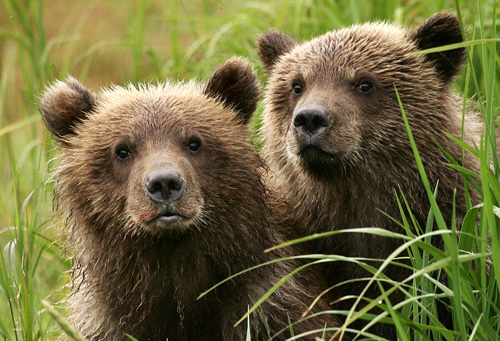
Building a den is a bear necessity! This activity is perfect for the little cubs in your family to practice staying cozy during chilly PNW evenings.
Dr. Rae Wyn Grant is a large carnivore ecologist with a background in conservation biology. Rae is currently a fellow at National Geographic Society and active in research around the world. Follow her at @RaeWynnGrant for daily doses of coexisting, love of nature and of course, bear cubs!
The Washington Urban–Wildland Carnivore Project
Exploring ways to promote coexistence among humans and carnivores in King and Snohomish Counties––this collaboration between Woodland Park Zoo and the University of Washington (UW) School of Environmental and Forest Sciences explores how carnivores respond to urbanization and human activity. UW graduate student Michael Havrda coordinates and conducts research on this project––follow Michael for updates on his research and ways you can coexist with Northwest carnivores @MichaelHavrda