
PRESS RELEASE / May 16, 2025
Survivors: One of the World’s Rarest Birds Lives at Woodland Park Zoo
The Socorro dove, extinct in the wild, only survives in zoos around the world
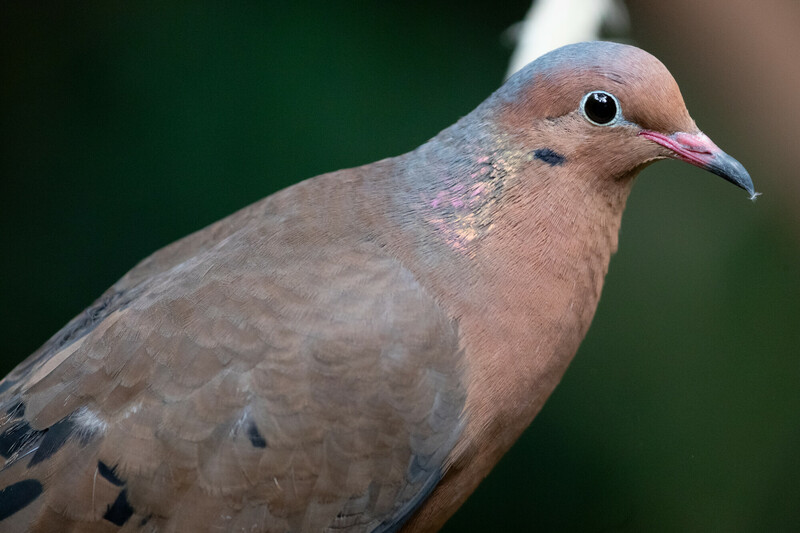
SEATTLE—This summer, Woodland Park Zoo is highlighting survivors of the wild and using tomorrow, May 17, Endangered Species Day, to kick things off! The first incredible species on the list is the rare Socorro dove which is classified as extinct in the wild.
Given how rare these birds are, it’s exciting that Woodland Park Zoo is home to two male Socorro doves, Bill and Ted, who will be 3 in June. The brothers were hatched at San Diego Zoo in 2022 before arriving in Seattle a year later. The pair have a very playful relationship together and can often be seen chasing each other around the zoo’s Tropical Rain Forest aviary. Guests’ best bet to see them is first thing in the morning when the zoo opens where they are usually feeding on the boardwalk.
Socorro doves have a deep cinnamon coloration, longer legs and a solitary nature. These distinct characteristics are believed to be adaptations to its island habitat.
This medium-sized, ground-dwelling bird was endemic to the Mexican island of Socorro off Mexico’s west coast—which means they were native to only that one place. Mexico developed the island to build a naval base there in the 1950s—and along with development people unknowingly brought some species with them that caused a lot of damage to the island’s native wildlife.
With numbers of Socorro doves dwindling in the wild, conservationists took in the surviving doves so they could breed with others already residing at several zoos in an effort to prevent their total extinction. As of right now, there are approximately 180 Socorro doves left in the world in human care, so each bird is very important. The whole group of birds now makes up the breeding program managed by the Association of Zoos and Aquariums (AZA) to help ensure the survival of a healthy, self-sustaining population of Socorro doves.
Zoo hours: 9:30 a.m.-6:00 p.m. daily.
Accessibility: Information about accessibility and resources, one-to-one aides, sighted guides, mobility equipment rentals, and a sensory map and tools can be found at www.zoo.org/access. ADA ramp access for Historic Carousel. For questions or to request disability accommodations for zoo programs or events, contact zooinfo@zoo.org.