
PRESS RELEASE / December 3, 2025
The Seattle Snooze! Zoo highlights bear hibernation habits ahead of winter
SEATTLE—You’ve heard about the Seattle Freeze, but what about the Seattle Snooze? It’s that time of year again when all of us cozy up inside waiting for the big dark to pass by. While humans can’t slumber for months, some species of animals can!
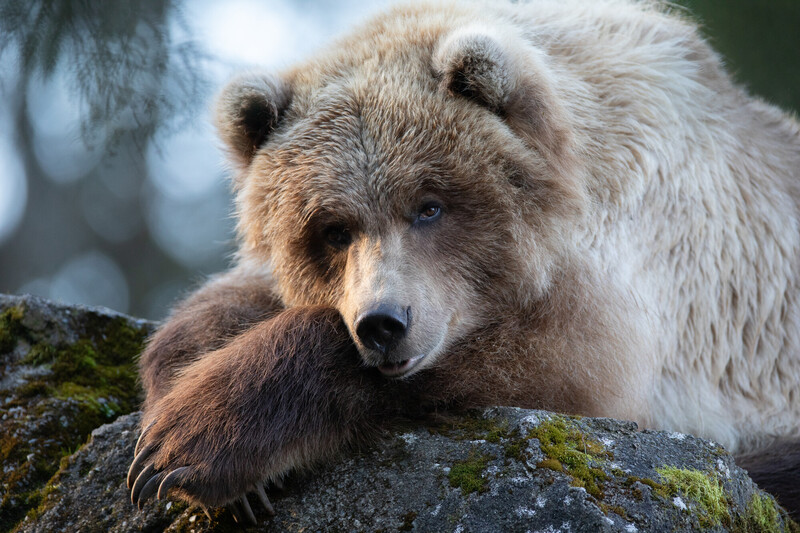
We’re talking hibernation, or—in the case of brown bears Fern and Juniper at Woodland Park Zoo—we’re talking torpor! What is torpor you ask? It’s a lot like hibernation and there’s some debate in the science community over whether brown bears truly hibernate or if they go into torpor.
Hibernation plays a vital role in the survival of many species, including bats, bears and even some pollinators, like bees. Hibernation is a deep sleep during the winter to survive the cold and lack of food. Hibernators lower their body temperature and slow their breathing and heart rates to conserve energy.
Torpor can be thought of as “temporary hibernation”; it’s not quite as intense as full-on hibernation. Animals experiencing torpor become less active and more lethargic to reserve energy. Regardless of what you call it, there’s definitely a snooze fest underway in the zoo’s Living Northwest Trail.
Woodland Park Zoo is home to two brown bears: Fern, an interior grizzly bear, and Juniper, a coastal brown bear, each turning 4 early next year. While the two girls are currently experiencing those sleepy hibernation feelings, guests can still get a cool glimpse inside of their “den cam,” which is streaming a live video feed directly into the Living Northwest Trail’s Nysether Family Riverhouse.
The zoo’s animal keepers monitor the bears closely and adjust their nutritious diets during the colder months to make sure their seasonal needs are being met.
Brown bear hibernation can last five to eight months. Like with other hibernating species, these bears’ heart rates and body temperatures lower while they slumber. However, unlike other species, their heart rate and body temperature stay high enough to allow them to wake up quickly and protect themselves if needed. Brown bears may periodically rouse themselves during the winter, but they don’t usually eat or defecate. Female brown bears typically give birth during the mid-winter and nurse the cubs in their dens until the spring warmth arrives.
Woodland Park Zoo offers a safe, outdoor experience for all. Visit www.zoo.org for information. Zoo hours: 9:30 a.m. – 4:00 p.m.; 9:30 a.m. – 3:00 p.m. on WildLanterns evenings.
Accessibility: Information about accessibility and resources, one-to-one aides, sighted guides, mobility equipment rentals, and a sensory map and tools can be found at www.zoo.org/access. ADA ramp access for Historic Carousel. For questions or to request disability accommodations for zoo programs or events, contact zooinfo@zoo.org.