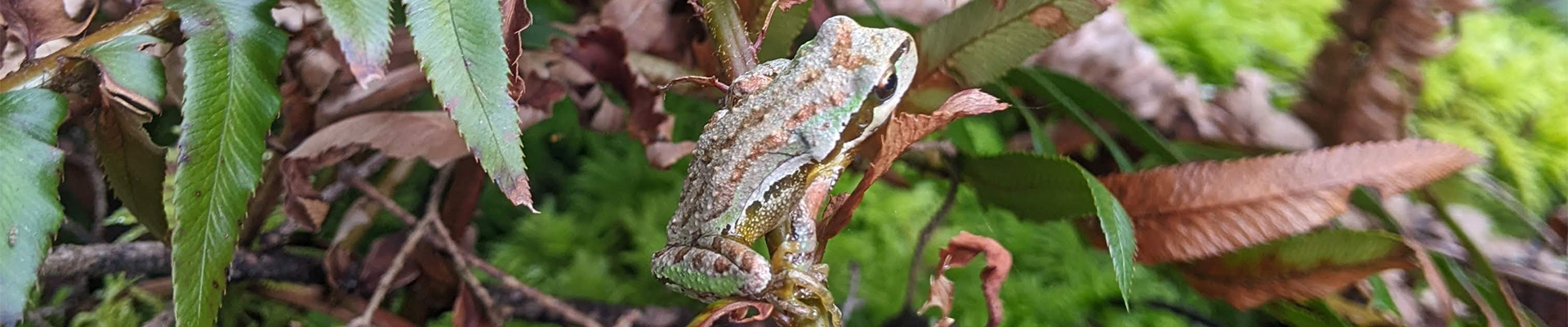
Community scientists looking out for local amphibians
Over the last several decades, amphibians – including frogs, toads, salamanders and newts – have experienced the highest rate of species decline among vertebrate animals. These losses have occurred due to impacts such as wetland loss, disease, pollutants, invasive species and climate change.
Community volunteers help collect scientific data by observing amphibians in local conservation wetland areas. Each year our Amphibian Monitoring volunteers log hundreds of observations of amphibians across western Washington in the iNaturalist online collection of biodiversity observations. iNaturalist is a global community of people who assist conservation efforts by recording observations of organisms and share them with each other to gain a better understanding of the natural world.
We’re monitoring for eight different species of frogs, toads and salamanders:
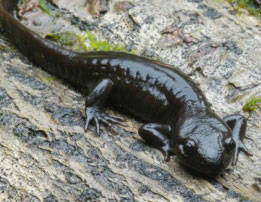
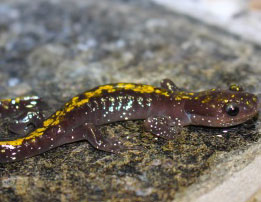
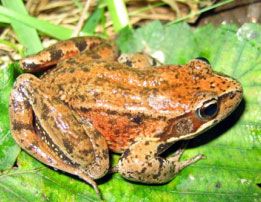
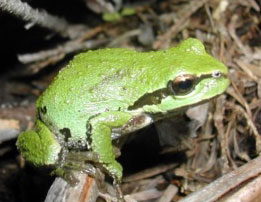
Each year since 2012, approximately 100 volunteers have monitored 17 sites for evidence of breeding amphibians. Volunteers log data in the Amphibians of Washington project on iNaturalist, where project curators verify the observations. These observations help us understand where our local amphibians are – and aren’t – breeding across the region.

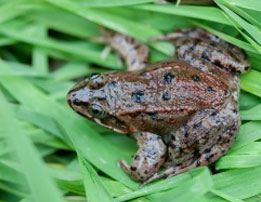
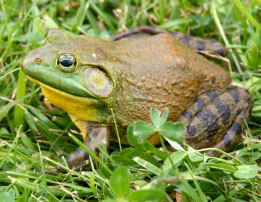
Volunteers are trained to identify egg masses of eight species of frogs, toads, newts and salamanders. This includes the Oregon spotted frog, a state endangered species, and the American bullfrog, an invasive species that negatively impacts other amphibians.

A majority of Amphibian Monitoring community scientists report increased appreciation for local amphibians and their wetland site as a result of their participation.

Verified observations from the Amphibians of Washington iNaturalist project are rolled into the Global Biodiversity Information Facility, an international organization that makes scientific data on biodiversity broadly available via the Internet.
Amphibian monitoring training is an exciting opportunity to get hands-on experience with amphibian conservation while increasing your connection to local ponds and wetlands and contributing to authentic scientific research.
Join the interest list for participating next season!
Here are a few impactful actions everyone can take to help protect amphibians and their wetland homes: