LIVING
NORTHWEST TRAIL
Where nature is home
Explore
Are You Living Northwest?
Discover local wildlife and how nature connects us all in the Northwest home we share
The Living Northwest Trail highlights conservation successes and actions you can take to ensure a healthy, thriving Northwest for animals and people alike.
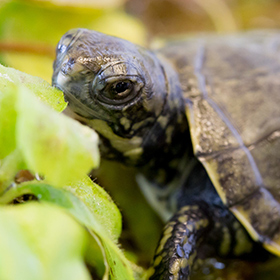
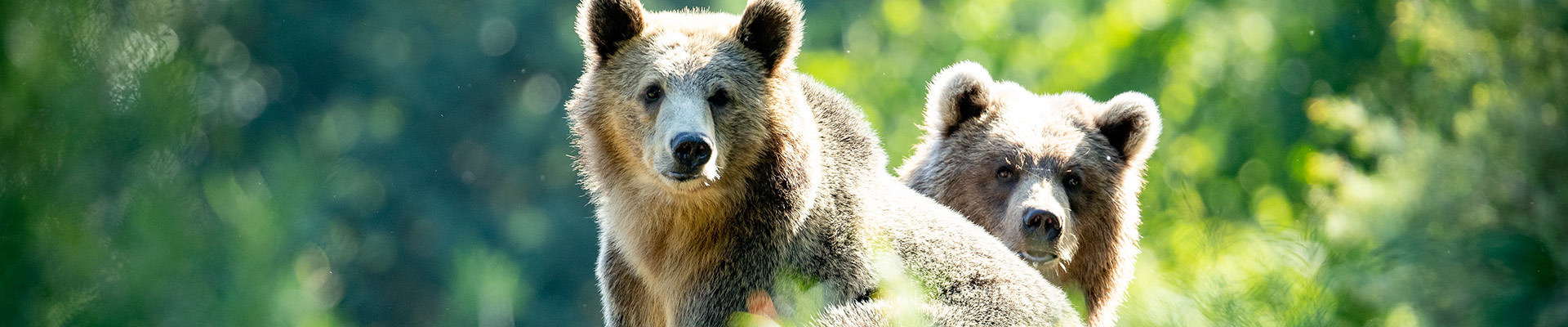
The new exhibit reimagines the former Northern Trail, where new additions including Canada lynx and a head start center for endangered western pond turtles join the zoo’s beloved gray wolves, river otters, brown bears and other local wildlife. Through up-close animal experiences, interactive learning, and local indigenous art, the exhibit will inspire and empower you to:
DISCOVER
Nature all around you
RECOVER
Threatened wildlife and habitat
COEXIST
With wildlife and each other
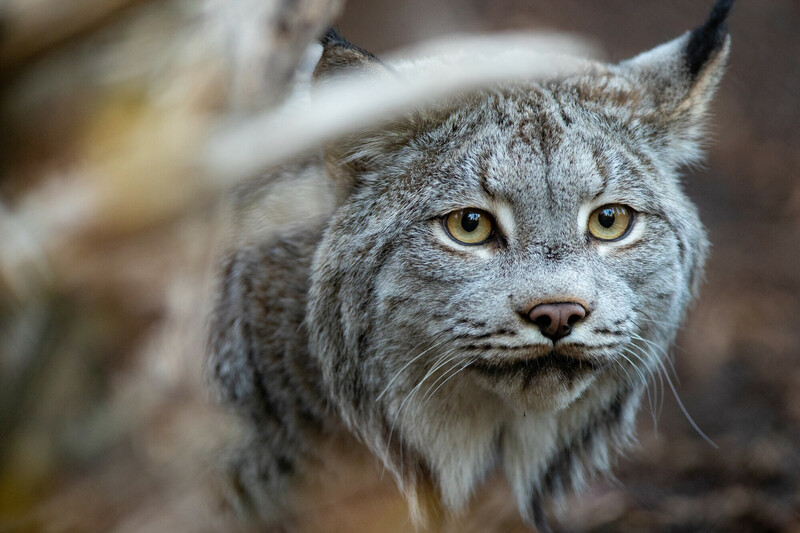
Pigott Family Lynx Exhibit
Get up close to this little-seen Northwest carnivore and discover the lynx’s link to climate change.
Cathy Herzig Basecamp Northwest
Inside is your basecamp for exploring conservation solutions in the Northwest including a never-before-seen glimpse into the zoo’s flagship conservation lab where animal keepers rear endangered turtles to be released into protected wetlands each year.
This exhibit is made possible with dedicated support from private funders and major maintenance funding from the voter-approved Seattle Park District.
Have you seen the beautiful, Native-carved artwork on the new Living Northwest Trail?
Hear artist and storyteller Roger Fernandes from the Lower Elwha Klallam Tribe or S’Klallam Tribe share the stories behind the animal symbols and the living traditions they represent. Roger designed and worked with master carver Toma Villa, an artist and carver from the Yakama Tribe, to bring this wonderful Native carved panel to life on the Living Northwest Trail.
We Are Living Northwest
Together we discover, we recover and we coexist
A healthy, thriving Northwest that sustains people and wildlife together. This simple vision unites us—it powers our movement.
This Land
Land Acknowledgment
English
These are the lands of the Tribal signatories of the Treaty of Point Elliott (1855), whose stewardship for the waters, plants, land and animal relatives in the Northwest has continued since time immemorial. Woodland Park Zoo acknowledges this stewardship, the sovereign rights of the Tribal signatories, and our responsibility to join with these Tribes to inspire and advance the restoration of relationships between humans and the living world around us.
Lushootseed
Lushootseed is a language spoken across many Tribes in the Puget Sound region and a member of the Salish language family. It is also a trading language used amongst many Tribes. It was selected for Woodland Park Zoo’s Land Acknowledgement because it is representative and inclusive of multiple Tribes in this region.
Thank you to the Tulalip Lushootseed Department for this translation and recording.
WAYS TO SUPPORT
Donate
Make a gift of any size to support this work and efforts to save wildlife in the Northwest and around the world. With a gift of $1,000 or more, you will be recognized within the exhibit in 2022. Simply choose the Living Northwest Trail designation on the donation form.
Discover
Learn about the zoo’s Living Northwest conservation projects that are saving species across our region.
The completed Living Northwest Trail represents a major milestone in Forests for All, Woodland Park Zoo’s 7-year, $110 million comprehensive fundraising campaign. More than $70 million has already been donated by nearly 100,000 donors since 2018 to this comprehensive vision to assure local and global forests and green spaces for animals, for people, forever. The Living Northwest Trail, the regional conservation projects it celebrates, and the community action it inspires are part of the Living Northwest campaign initiative investing in local transformation for global impact. Join the campaign at zoo.org/donate.
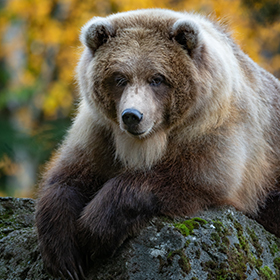
Brown Bear
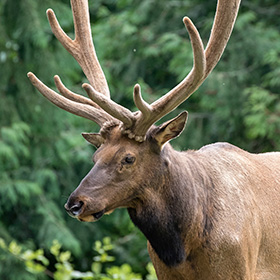
Elk
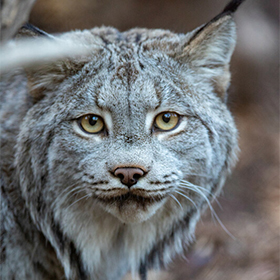
Lynx
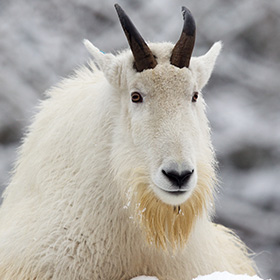
Mountain Goat
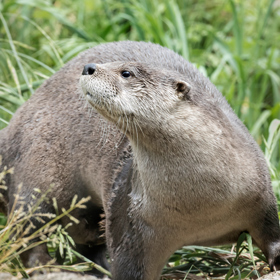
River Otter
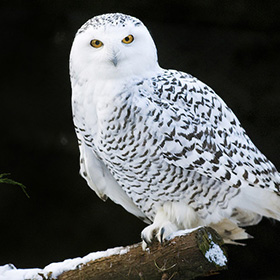
Snowy Owl
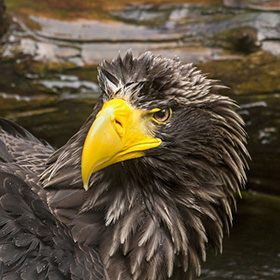
Steller’s Sea Eagle