PRESS RELEASE / July 31, 2026
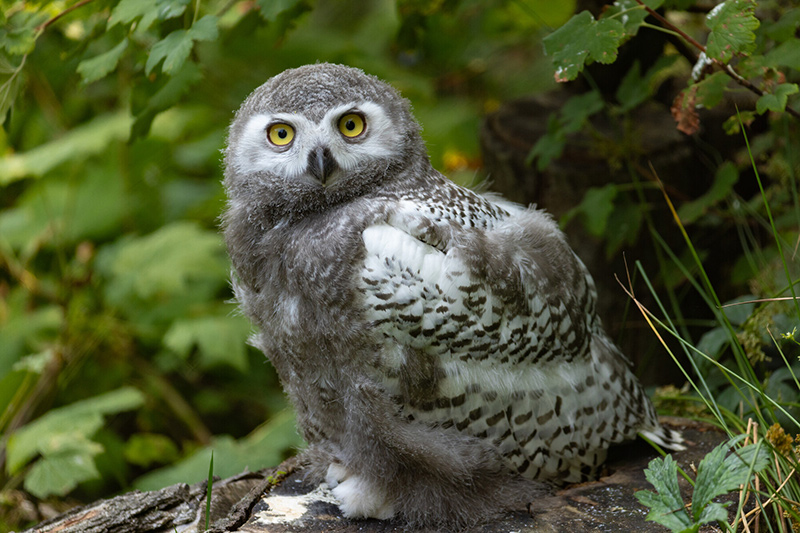
The snowy owl chicks can be seen in Woodland Park Zoo’s Living Northwest Trail. (Jeremy Dwyer-Lindgren/Woodland Park Zoo)
It’s some of Woodland Park Zoo’s newest hatchlings: a pair of snowy owl chicks! This is the first pair of snowy owl hatchlings at the zoo in six years!
The chicks were hatched June 10 to parents, mom June and dad Dusty—this is the pair’s second brood after they successfully hatched two chicks in 2020.
The beautiful snowy owlets, along with mom and dad, can be found in the zoo’s Living Northwest Trail. “These owlets are growing quickly and beginning to get curious about their environment—occasionally exploring outside of their nest,” said Christine Verador, Animal Care Manager at Woodland Park Zoo. “Zoo guests that are patient and lucky enough to get a glimpse of these cuties are in for a treat!”
The parents were paired under the Snowy Owl Species Survival Plan, which is a cooperative breeding program across zoos accredited by the Association of Zoos & Aquariums to help ensure a healthy, self-sustaining population.
Along with the snowy owls, several species can be found in the zoo’s Living Northwest Trail including brown bears, Canada lynx, North American river otters and more.
Snowy Owl Facts
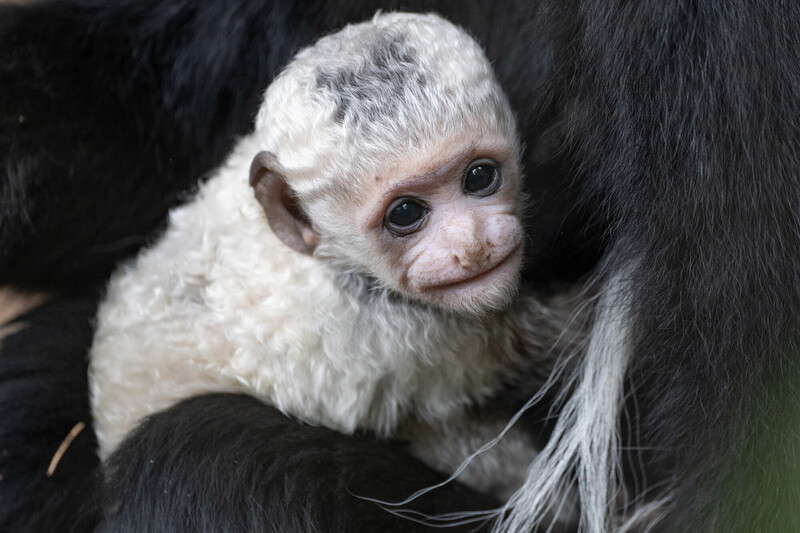
Baby colobus monkey, Ngobi, is viewable in the outdoor section of the zoo’s Tropical Rain Forest loop. (Jeremy Dwyer-Lindgren/Woodland Park Zoo)
Woodland Park Zoo’s new baby colobus monkey, born June 15, has been named Ngobi (en-GOH-bee). The name Ngobi is of Bantu origin, primarily found among the Ganda people of Uganda, one of several African countries where colobus monkeys are found.
Ngobi was born to mom Mokiki (moh-KEE-kee) and dad Lewis and marks the first birth of the species at the zoo in 29 years. Zoo-goers can see Ngobi with mom Mokiki, dad Lewis and half-sister Anapenda in the outdoor section of the Tropical Rain Forest loop.
