We’re here to save animals, and we can’t do it alone
Woodland Park Zoo, together with over 240 accredited zoos and aquariums, supports the Association of Zoos & Aquariums’ (AZA) global conservation effort, Saving Animals From Extinction (SAFE). We are committed to harnessing the collective resources of zoos, aquariums and other conservation partners to restore the most vulnerable wildlife species to healthy populations in the wild.
SAFE programs bring together AZA-accredited zoos and aquariums with field-based partners to enhance conservation success through:
Each SAFE program produces three- to five-year program plans. SAFE program plans include measurable field conservation, public engagement, and funding objectives that will advance the recovery of a species. SAFE programs provide annual reports that summarize their progress towards their program plan goals.
Woodland Park Zoo contributes to and actively participates in the following AZA SAFE programs
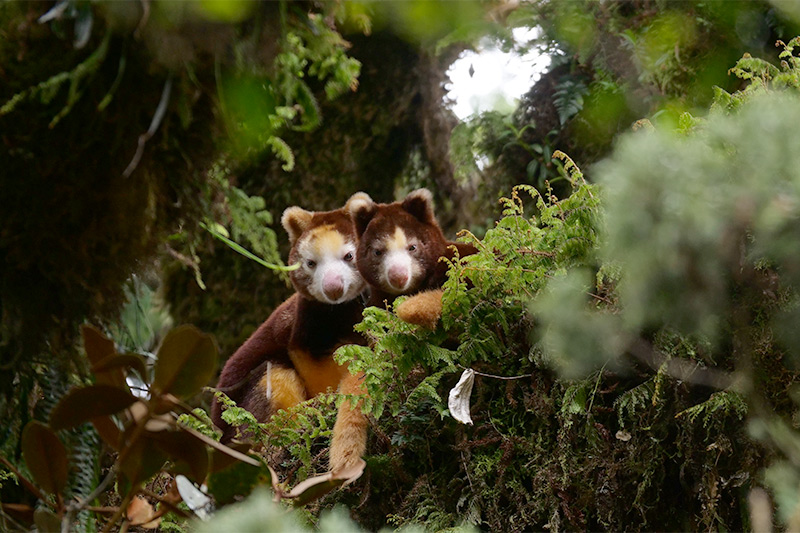
The SAFE Tree Kangaroo of Papua New Guinea program’s goal is the conservation of two species of tree kangaroos in the wild (Matschie’s and Goodfellow’s tree kangaroos) while supporting the local communities where the species live in Papua New Guinea. The program links community-based conservation initiatives in PNG with the efforts and support of AZA members and partners.
In addition to active participation in the SAFE Tree Kangaroo of Papua New Guinea program, Woodland Park Zoo’s Tree Kangaroo Conservation Program (TKCP) works with local communities in rural Papua New Guinea to protect the endangered Matschie’s tree kangaroo and the habitat in which it lives. TKCP is the umbrella name for the partnership between the Woodland Park Zoo’s TKCP and TKCP-PNG, an independent non-governmental organization registered in Papua New Guinea.
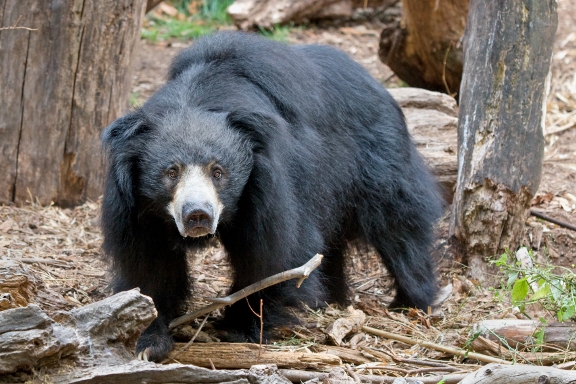
The SAFE Sloth Bear program’s goal is to accelerate knowledge generation and transfer about sloth bears that will support increased conservation action to stabilize declining populations through stakeholder engagement, collaboration, and public awareness.
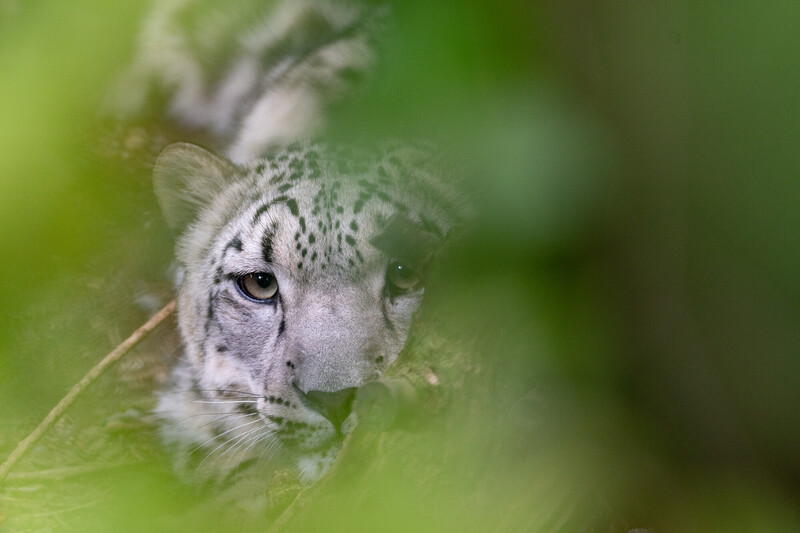
The SAFE Snow Leopard program aims, through its partnerships between AZA members and key field partners Snow Leopard Trust and Snow Leopard Conservancy, to illuminate the relationships between wildlife, livestock, humans, and the environment. The program’s key priorities are to promote human-snow leopard coexistence and to support funding and technical gaps for critical conservation and research initiatives to better understand snow leopard range, trophic ecology, and population ecology.
In addition to participating in the SAFE Snow Leopard program, Woodland Park Zoo collaborates with the Snow Leopard Trust, founded in 1981 by the late Woodland Park Zoo staff member Helen Freeman. Through innovative programs, effective partnerships, and the latest science, the Snow Leopard Trust is saving these endangered cats and improving the lives of people.
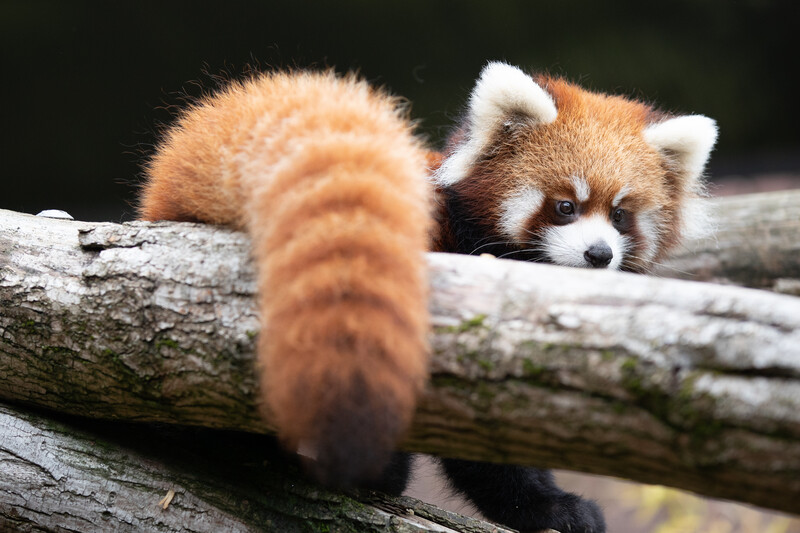
The SAFE Red Panda program’s goal is to create long-term support for wild red panda populations in the wild. The program creates partnerships among zoos and field-based partners to build conservation collaborations. The program leverages zoo expertise and skills in conservation science, animal health and education to help address the threats facing red pandas in the wild.
In addition to participating in the SAFE Red Panda program, Woodland Park Zoo collaborates with our red panda conservation partner – Red Panda Network – through our Forest Species Survival Program.
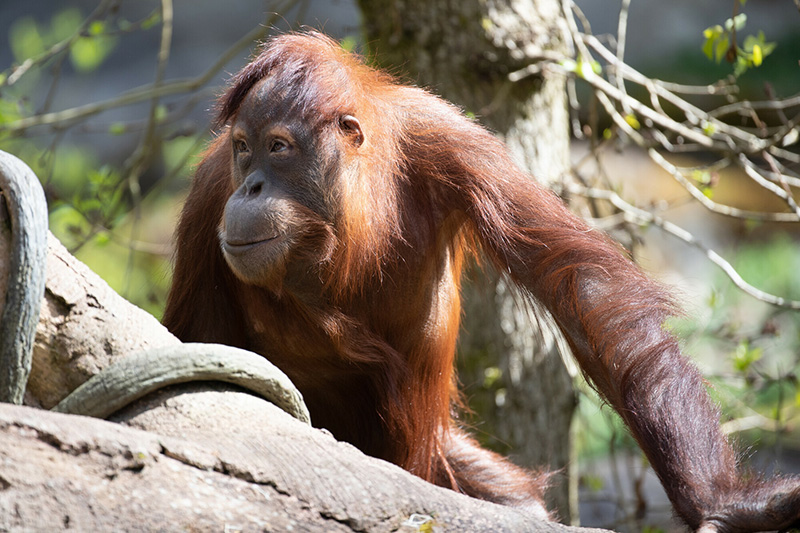
The SAFE Orangutan program’s vision is to protect and restore wild orangutan populations and their habitats through public awareness, increased funding, and field work that focuses on the long-term protection of orangutan populations. The Orangutan SAFE program focuses on supporting the protection and restoration of orangutan habitat, the prevention of orangutan poaching and trafficking, and research related to orangutan distribution.
In addition to our active participation in the SAFE Orangutan program, Woodland Park Zoo collaborates with our orangutan and forest conservation partners in Malaysian and Indonesian Borneo through our Forest Species Survival Fund. Learn more about our orangutan conservation partners – HUTAN’s Kinabatangan Orangutan Conservation Programme and the Gunung Palung Orangutan Conservation Program.
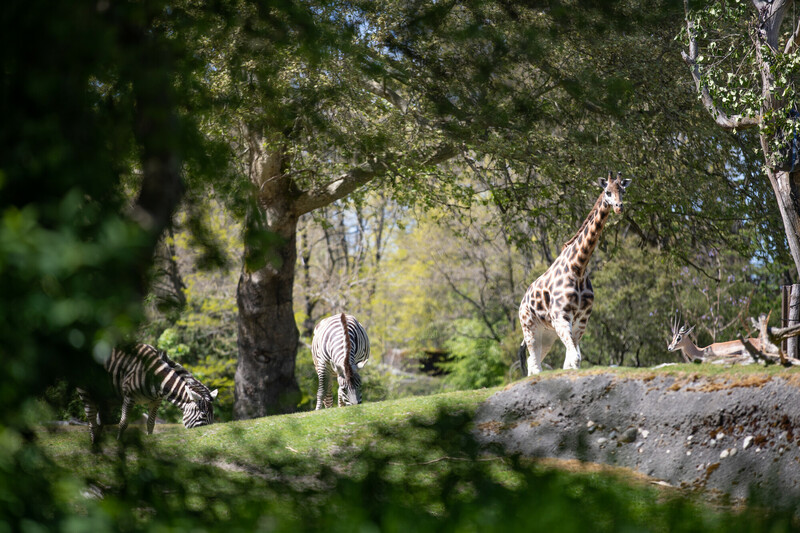
The SAFE Giraffe program’s goal is to support healthy giraffe populations in Africa by increasing the number of AZA-accredited zoos that support and actively participate in field conservation for giraffes. The program focuses on linking AZA member organizations and in-country conservation partners work together to advance giraffe conservation, giraffe health and to increase public awareness and support for giraffe conservation.
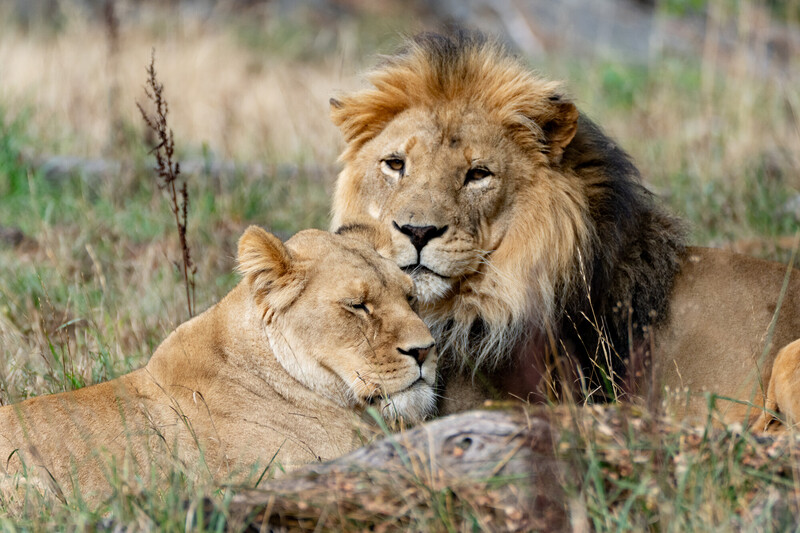
The SAFE African Lion program’s goal is to support connected landscapes and to foster human-lion coexistence so that African lion populations in the wild can increase to more sustainable numbers. To achieve this goal, AZA-accredited zoos partner with local organizations and communities across Africa who are working to protect lion habitat and to support human-lion coexistence in their communities.
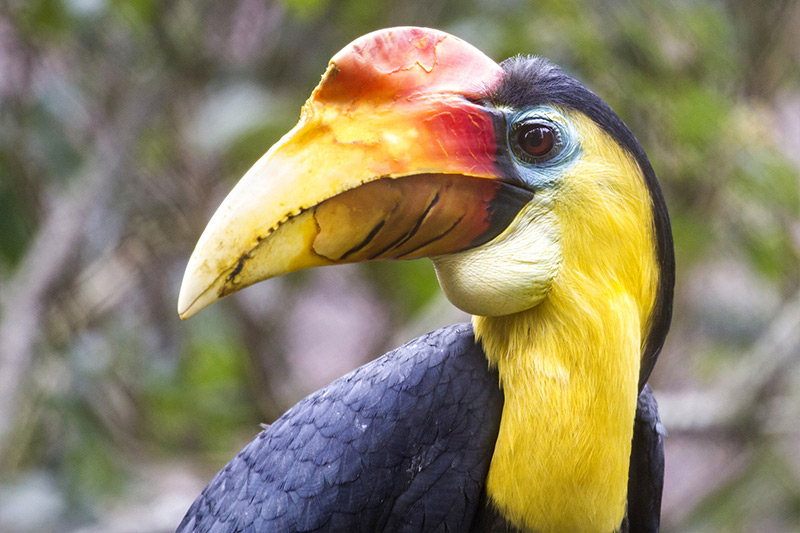
The SAFE Asian Hornbill program’s goal is to support the survival of wild Asian hornbill species in healthy, functioning forests across their natural range. To achieve this goal, AZA member organizations and in-country conservation partners work together to advance Asian hornbill species recovery and sustainability in the wild, which require protection from poaching, wildlife trade and habitat loss with the help of science-based and inclusive conservation action.
You can be part of the solution! By adopting a hornbill nest, you support local research assistants in Thailand who observe and maintain hornbill nest trees in their communities, earning conservation-related income instead of income from poaching or illegal logging activities.
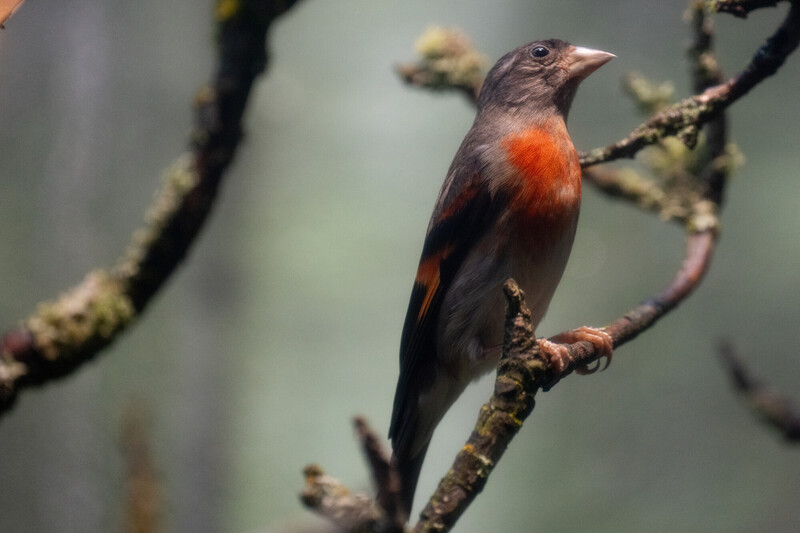
The SAFE Red Siskin program is focused on accomplishing key advances towards the first reintroductions of this bird species in Venezuela by strengthening populations in U.S. and Venezuelan zoos; improving key ecological knowledge; evaluating potential reintroduction sites; developing a reintroduction protocol; and strengthening collaborations with AZA partners, local communities and other key partners passionate for red siskins.
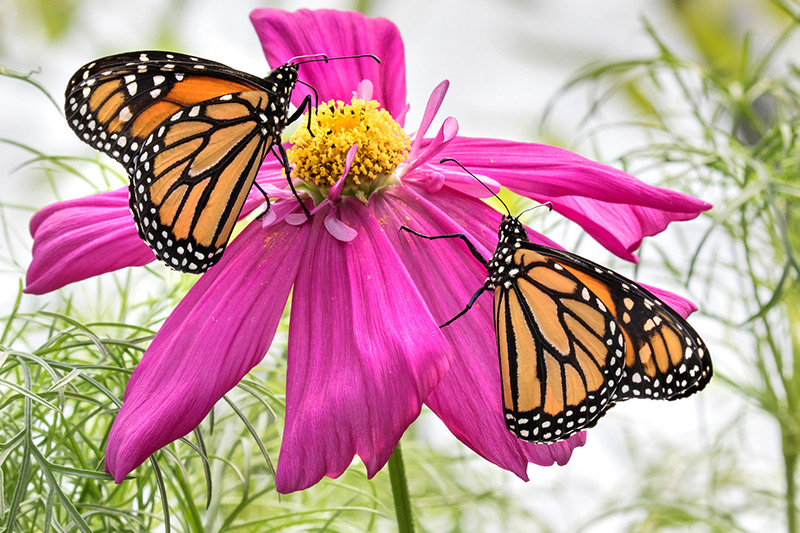
The SAFE North American Monarch program’s goal is to recover and sustain populations of monarch butterflies within our communities. The program works to increase conservation leadership in AZA zoos and aquariums to engage with communities to reduce the threats of habitat loss, pesticides and climate change in order to recover monarch butterfly populations. To do this, SAFE North American Monarch program partners amplify evidence-based recommendations to reduce threats, create and preserve quality habitat, develop and expand meaningful collaborations, and inspire and empower zoo and aquarium audiences to take action.
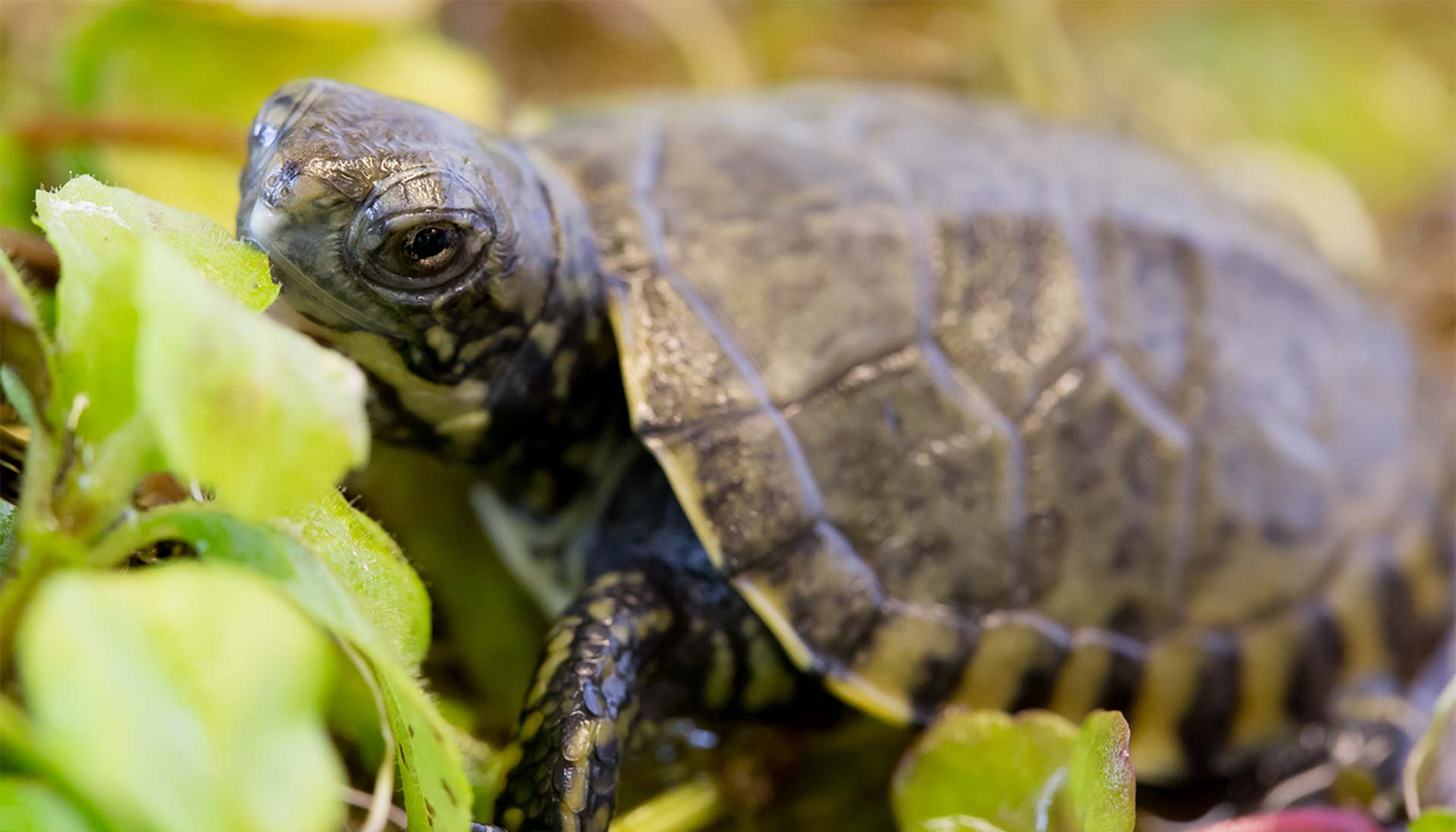
The SAFE Western Pond Turtle program’s goal is to support the assessment of western pond turtle populations and their threats, build collaborative conservation efforts that include public engagement, and support work that increases the number of turtles living in natural areas in the species’ range.
In addition to active participation in the SAFE Western Pond Turtle program, Woodland Park Zoo partners with Washington Department of Fish and Wildlife, Oregon Zoo and others to give these turtles a fighting chance through a successful head starting program.